
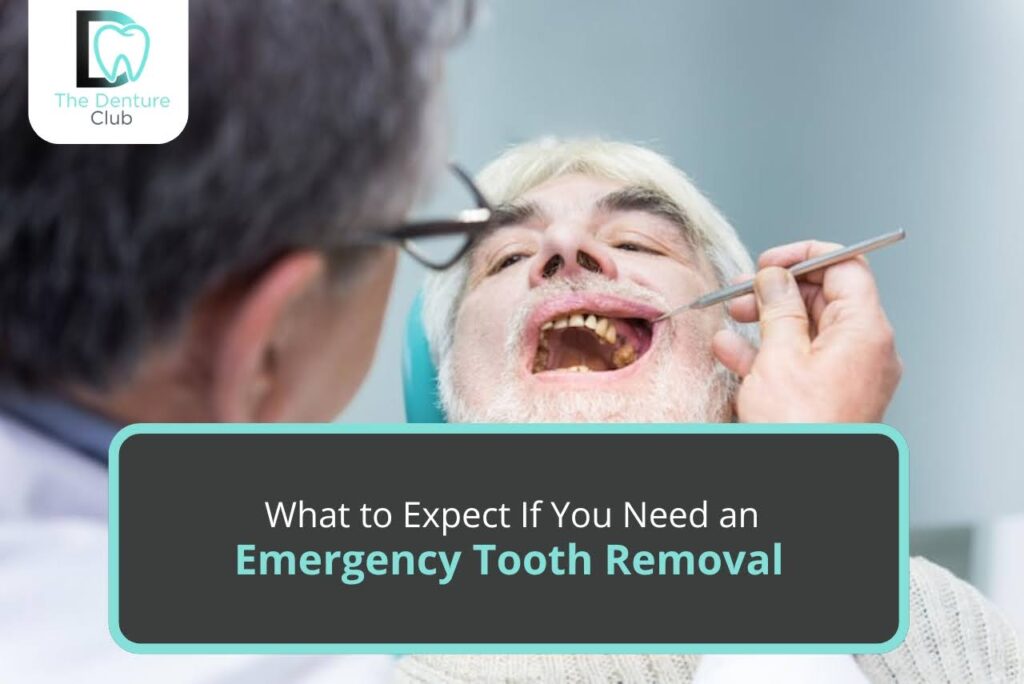
What Happens During an Emergency Tooth Removal?
If you’ve ever felt a sharp, throbbing toothache that won’t go away, you know how unbearable it can be. When pain strikes suddenly, or an infection threatens your health, an emergency tooth removal may be the best way to bring quick relief and prevent complications.
At The Denture Company Boise, we specialize in same-day tooth extractions for patients in urgent need. Whether it’s a broken tooth, an abscess, or wisdom tooth pain, our experienced dental team ensures you get care that’s both fast and comfortable, with sedation options available for your peace of mind.
What Is an Emergency Tooth Extraction?
An emergency tooth extraction is a same-day or immediate dental procedure performed to remove a severely damaged, infected, or painful tooth when other treatments, like fillings or root canals, aren’t possible.
According to the American Dental Association (ADA), extractions may be necessary when decay, trauma, or infection threatens surrounding teeth and bone structure. In emergency cases, the goal is to alleviate pain quickly, stop infection, and preserve your overall oral health.
There are two main types of tooth extractions:
- Simple Extraction: For visible teeth that can be loosened and removed easily.
- Surgical Extraction: For teeth that are broken at the gum line or impacted (common with wisdom teeth).
Both procedures can be performed safely in a single visit, often with local anesthesia or sedation dentistry options to ensure comfort.
Why Emergency Tooth Removal May Be the Best Decision
While the idea of losing a tooth might sound intimidating, emergency removal can offer major relief and prevent serious complications.
Key benefits include:
- Immediate Pain Relief: Extraction eliminates nerve-related pain from infections or deep decay.
- Prevents the Spread of Infection: Removing an infected tooth helps protect nearby teeth, gums, and even your bloodstream from bacterial spread (CDC, 2024).
- Protects Your Overall Health: Untreated infections can lead to systemic issues like fever, swelling, or even sepsis in rare cases (NIH, 2024).
- Allows for Future Restoration: Once the area heals, you can replace the tooth with a denture, bridge, or dental implant, restoring both function and confidence.
- Affordable and Accessible: We offer Medicaid-friendly care, ensuring you don’t delay treatment due to cost concerns.
A Look Back at Tooth Extraction in Dentistry
Tooth extraction is one of the oldest known dental procedures, traced back over 9,000 years, according to research from the National Institutes of Health (NIH).
Modern dentistry, however, has transformed this once painful procedure into a precise, sterile, and nearly painless experience. Today’s dentists use:
- Digital imaging to assess roots and bone structure.
- Sterile instruments for surgical precision.
- Sedation dentistry for patient comfort.
Thanks to advances recognized by the American Association of Oral and Maxillofacial Surgeons (AAOMS), patients now benefit from faster healing, reduced infection risk, and minimal discomfort, even in emergencies.
Understanding the Possible Side Effects
Like any medical procedure, tooth extractions, especially emergency ones, carry potential risks. These are generally minor and manageable when performed by trained professionals.
Common temporary side effects include:
- Mild swelling or bruising
- Slight bleeding for 24 hours
- Soreness or tenderness at the extraction site
More serious but rare risks may include:
- Dry Socket (Alveolar Osteitis): When the blood clot at the removal site dislodges, exposing bone and nerves. (Cleveland Clinic, 2023)
- Infection: Usually preventable with antibiotics and good oral hygiene.
- Nerve Sensitivity: Especially after wisdom tooth extractions; typically resolves over time.
At The Denture Company Boise, every emergency extraction is performed under sterile conditions with full monitoring and follow-up instructions, following ADA and CDC post-operative safety protocols.
What Not to Do After an Emergency Extraction
Proper aftercare is crucial to a successful recovery and preventing complications. The Centers for Disease Control and Prevention (CDC) recommends avoiding:
- Smoking or Vaping: Delays healing and increases dry socket risk.
- Straws or Forceful Rinsing: Can dislodge the protective clot.
- Crunchy or Spicy Foods: May irritate the extraction site.
- Touching the Area: Keep fingers and tongue away to prevent infection.
Pro Tip:
Stick to soft foods like yogurt, mashed potatoes, and soups for the first 48 hours. Continue brushing gently, but avoid the extraction site.
Your dentist may also prescribe pain relievers or antibiotics; always follow the dosage instructions carefully.
Healing and Ongoing Oral Care After Tooth Removal
The average recovery time after a tooth extraction is 7–10 days, depending on factors such as age, health, and the complexity of the extraction. Here’s what to expect during healing:
- First 24 hours: Keep gauze in place, rest, and avoid physical strain.
- Days 2–3: Swelling peaks, apply ice packs for 15-minute intervals.
- Days 4–7: Switch from soft to semi-solid foods as comfort allows.
- Day 7 onward: Brush and floss normally (avoiding the socket).
If you experience persistent bleeding, swelling that persists for more than 3 days, or fever, contact your dentist immediately.
Once healing is complete, we offer affordable tooth replacement options, such as:
- Partial or Full Dentures
- Immediate Dentures (Same-Day Options)
- Implant-Supported Dentures
These help restore normal function and aesthetics after extraction.
Can Your Tooth Be Saved Instead of Removed?
Not every dental emergency leads to extraction. In some cases, your dentist may recommend alternatives like:
- Root Canal Therapy: Removes infected tissue while keeping your natural tooth intact.
- Crown or Onlay Restoration: Strengthens cracked or broken teeth.
- Antibiotic Therapy: In minor infections, antibiotics may delay or prevent the need for extraction.
However, when pain is severe or infection has reached the bone, extraction becomes the safest and fastest route to healing. According to the National Institute of Dental and Craniofacial Research (NIDCR), timely intervention prevents tooth loss from spreading and reduces long-term complications.
Sedation Options for Emergency Tooth Removal
For anxious patients, even an emergency visit can feel daunting. That’s why The Denture Company Boise offers multiple sedation dentistry options to make the experience comfortable and stress-free:
- Oral Sedation: A pill that helps you relax while staying awake.
- Nitrous Oxide (Laughing Gas): Fast-acting and ideal for mild anxiety.
- IV Sedation: Deep relaxation for surgical extractions or multiple procedures.
- Twilight Sedation: You may drift in and out of light sleep without full unconsciousness.
All dental sedation Boise methods follow ADA and CMS safety guidelines, with trained professionals monitoring your oxygen and heart rate throughout the procedure.
Sedation Dentistry and Medicaid Coverage in Boise
If you’re a Medicaid patient in Idaho, you may qualify for coverage of sedation and emergency extractions, especially when:
- The procedure is medically necessary.
- The provider is Medicaid-certified.
- You have a documented medical or behavioral need.
To confirm your eligibility, visit Medicaid.gov or contact The Denture Company Boise for guidance. Our staff helps patients navigate Medicaid benefits and ensure you get the urgent care you need, without financial stress.
Preparing for an Emergency Tooth Removal
Here’s how to get ready if you’re scheduled for an urgent extraction:
- Avoid eating or drinking for at least 6 hours if sedation will be used.
- Bring someone with you if you’re receiving oral or IV sedation.
- Inform your dentist about medications, allergies, and medical conditions.
- Wear comfortable clothing and remove jewelry.
- Arrive early for pre-procedure monitoring and consent review.
After your appointment, plan to rest for the remainder of the day. Most patients can return to normal activities within 24–48 hours.
Conclusion
Dental emergencies are unpredictable, but your care shouldn’t be. If you’re in pain or dealing with an infected tooth, don’t wait. An emergency tooth removal can stop discomfort, protect your health, and open the door to lasting restoration options.
At The Denture Company Boise, we combine modern technology, compassionate care, and affordable tooth removal solutions to make urgent dental visits simple and stress-free.
Call us today to schedule your same-day emergency extraction in Boise. We’re here to help you smile again, without pain, fear, or delay.
References
- American Dental Association (ADA): Tooth Extraction
- Centers for Disease Control and Prevention (CDC): Oral Health
- National Institutes of Health (NIH): Oral Health Research
- Centers for Medicare & Medicaid Services (CMS)
- National Institute of Dental and Craniofacial Research (NIDCR)
- Mayo Clinic: Tooth Extraction Overview
- Cleveland Clinic: Dental Extraction Recovery