
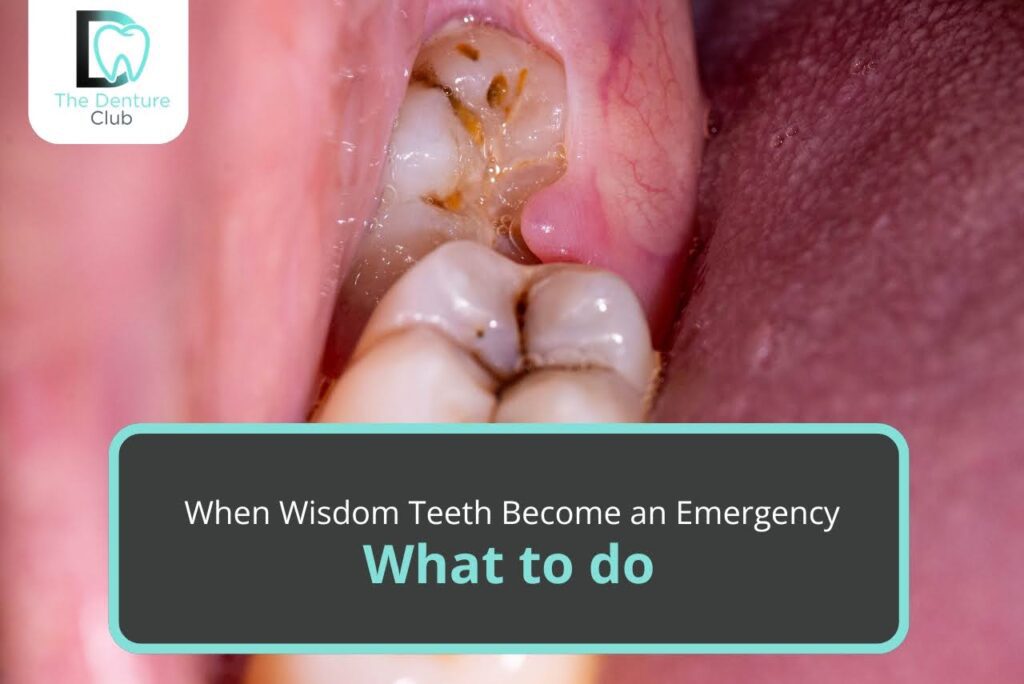
When is a Wisdom Tooth Problem Truly an Emergency?
At The Denture Company Boise, Idaho, we often see patients arrive in pain from swollen gums, jaw stiffness, or infection around their wisdom teeth. While mild discomfort is common when these teeth erupt, some cases turn serious fast, especially when infection spreads or pain interferes with daily life.
A wisdom tooth emergency means your tooth or gums are infected, impacted, or causing severe pain, swelling, or fever that cannot wait for a routine dental visit. Acting quickly can prevent long-term damage to nearby teeth and bone, and protect your overall health.
What Is a Wisdom Tooth Emergency?
Wisdom teeth (third molars) are the last permanent teeth to erupt, usually between ages 17 and 25. When there isn’t enough space in the mouth, these teeth can become impacted, trapped under the gums, or grow at odd angles.
According to the American Association of Oral and Maxillofacial Surgeons (AAOMS), impacted wisdom teeth are a common source of oral infections, cysts, and nerve damage. When infection or inflammation occurs, emergency extraction may be necessary to remove the source of pain and prevent further complications.
Benefits of Timely Emergency Wisdom Tooth Extraction
Removing an infected or impacted wisdom tooth promptly has several key benefits:
- Immediate Pain Relief: Extraction eliminates the infected or pressure-causing tooth, relieving the constant throbbing or swelling.
- Prevents Infection Spread: The Centers for Disease Control and Prevention (CDC) warns that untreated oral infections can spread to facial tissues or even the bloodstream.
- Protects Nearby Teeth: Impacted wisdom teeth can push against neighboring molars, causing decay or alignment issues.
- Improves Oral Function: Once infection and inflammation are resolved, chewing and speaking become comfortable again.
- Avoids ER Visits and Costly Treatments: Fast dental intervention prevents hospital emergencies, which can be more expensive and less effective for dental-specific care.
The American Dental Association (ADA) also notes that early removal of problematic wisdom teeth typically results in smoother healing and fewer surgical complications.
How Wisdom Tooth Care Has Evolved
The concept of wisdom tooth extraction dates back to ancient times. Historically, many people lacked access to oral care, so impacted wisdom teeth often caused chronic infections or facial abscesses.
Modern oral surgery techniques, developed through studies by the National Institutes of Health (NIH) and organizations like the AAOMS, have made extractions safer, quicker, and more comfortable. Today, dentists use advanced digital imaging, local anesthesia, and sedation options to ensure stress-free and efficient removal, especially during emergencies.
The Hidden Risks of Ignoring Wisdom Tooth Pain
Delaying care for an infected or impacted wisdom tooth can have serious consequences. Common complications include:
- Severe Infection or Abscess: When bacteria enter the gum pocket around a partially erupted tooth, pus can form, leading to facial swelling or fever.
- Jawbone Damage (Osteomyelitis): Prolonged infection can reach the bone, requiring surgical treatment.
- Cyst Formation: Fluid-filled cysts may form around impacted teeth, damaging nerves and bone structure.
- Systemic Infection (Sepsis): In rare cases, untreated oral infections can spread to the bloodstream, posing life-threatening risks, according to the NIH.
- Chronic Pain or Misalignment: Pressure from an impacted tooth can shift surrounding teeth and affect bite alignment.
Ignoring wisdom tooth pain can turn a manageable dental procedure into a serious medical issue.
Common Mistakes That Make Wisdom Tooth Problems Worse
When you suspect a wisdom tooth infection, avoid these common mistakes that can worsen your symptoms:
- Do not apply heat directly to the face; this can accelerate swelling.
- Avoid aspirin directly on the gums; it can cause tissue burns.
- Skip hard or sticky foods, as they may irritate the inflamed area.
- Do not attempt to drain an abscess yourself; this can spread bacteria.
- Avoid smoking or using straws after extraction, as both increase the risk of dry socket, a painful condition caused by dislodging the healing clot.
The CDC recommends gentle rinsing with warm salt water (after 24 hours) and maintaining good oral hygiene to control bacteria during healing.
Caring for Your Mouth After Wisdom Tooth Removal
Proper aftercare is critical for safe healing following an emergency wisdom tooth extraction.
Here’s what to expect and how to recover smoothly:
- Immediate Aftercare
- Bite gently on gauze for 30–45 minutes to control bleeding.
- Apply a cold compress for 10–15 minutes at a time to reduce swelling.
- Take prescribed pain medication or antibiotics as directed by your dentist.
- First 48 Hours
- Eat soft foods such as yogurt, soup, or mashed potatoes.
- Avoid spitting, drinking through straws, or smoking.
- Keep your head slightly elevated while resting.
- Days 3–7
- Gradually resume gentle brushing but avoid the surgical site.
- Continue soft foods and hydration.
- If stitches were placed, they’ll usually dissolve or be removed at your follow-up visit.
According to the Mayo Clinic and Cleveland Clinic, most patients heal within 1–2 weeks, although mild swelling or soreness is normal. If you develop increasing pain, a bad taste, or fever, contact your dentist immediately; these may be signs of infection or dry socket.
Alternative Options (When Extraction Might Wait)
In some early cases, emergency removal may not be required right away. Your dentist may:
- Prescribe antibiotics to control infection before extraction.
- Recommend partial gum cleaning (debridement) if tissue around the tooth is inflamed but not fully infected.
- Monitor with X-rays to track the growth direction of the tooth.
However, the AAOMS emphasizes that once pain, swelling, or infection becomes recurrent, removal is the safest and most definitive treatment.
Medicaid and Insurance Coverage for Wisdom Tooth Extraction
If your extraction is medically necessary (due to infection, swelling, or impaction), Medicaid and most dental insurance plans may help cover the cost.
- Medicaid Coverage: According to Medicaid.gov and CMS.gov, dental extractions are often covered under emergency or medically necessary services, especially when infection or pain is present.
- Private Insurance: Most private dental plans cover 50–80% of wisdom tooth extractions, depending on whether it’s a simple or surgical procedure.
At The Denture Company Boise, our staff helps patients confirm benefits, submit claims, and explore financing if needed. We also accept Idaho Medicaid for eligible emergency procedures.
Signs You Need Emergency Care Right Now
Contact your dentist or visit an emergency dental clinic if you experience:
- Intense, throbbing jaw or gum pain
- Facial swelling or difficulty opening your mouth
- Pus or bad taste around the tooth
- Fever or chills
- Bleeding that won’t stop
- Numbness or tingling in your jaw or tongue
These symptoms mean infection or impaction is spreading fast, and immediate extraction or antibiotic treatment may be necessary.
The WebMD and Healthline oral health guides both confirm that delaying emergency dental care can increase the risk of serious infection and longer recovery times.
What Happens During a Wisdom Tooth Emergency Visit
When you arrive at our Boise office with a dental emergency, we act fast to relieve your pain and protect your health.
- Evaluation and X-rays: We take digital images to identify impaction, infection, or root damage.
- Pain Relief and Sedation: Local anesthesia, nitrous oxide, or oral sedation ensures you stay comfortable throughout the procedure.
- Safe Extraction: Depending on the situation, we’ll perform a simple or surgical extraction using precision instruments and sterilized techniques.
- Aftercare Guidance: You’ll receive clear instructions for recovery, including what to eat, how to clean, and when to return for follow-up care.
Our Boise team focuses on comfort, affordability, and quick recovery, because dental emergencies shouldn’t wait.
Final Thoughts
When wisdom teeth become painful, swollen, or infected, it’s more than just discomfort; it’s a sign you may need emergency dental care. Ignoring it can lead to bone damage, infection spread, or costly ER visits.
At The Denture Company Boise, we’re committed to fast relief and gentle care for every patient. Whether it’s an infected wisdom tooth extraction or a complex surgical removal, our experienced dental team ensures safe, comfortable treatment, often on the same day.
Your comfort, safety, and smile come first for us.
Frequently Asked Questions (FAQs)
- How do I know if my wisdom tooth infection is serious?
If you experience swelling, persistent pain, fever, or difficulty opening your mouth, it’s likely an emergency. These are signs the infection may be spreading.
- Can wisdom tooth pain go away on its own?
Not usually. Pain might subside temporarily, but underlying infection or pressure can return stronger.
- Is emergency wisdom tooth extraction painful?
No! With local anesthesia or sedation, you’ll only feel pressure, not pain. Some soreness afterward is normal and manageable with medication.
- How long does healing take after extraction?
Most patients recover in about one week, though surgical extractions may take up to two weeks.
- Can I use Medicaid for wisdom tooth extraction in Idaho?
Yes. Medicaid often covers emergency or medically necessary extractions, especially for infections or impacted wisdom teeth. Check with your provider or ask our team to verify eligibility.
References
- AAOMS.org – Wisdom Teeth Information
- ADA.org – MouthHealthy: Tooth Extraction and Recovery
- NIH.gov – Oral Health and Infection Risks
- CDC.gov – Dental Infection Control & Post-Extraction Care
- MayoClinic.org – Tooth Extraction Recovery Tips
- Medicaid.gov – Dental Coverage and Eligibility
Healthline.com, WebMD.com, ClevelandClinic.org, NIDCR.nih.gov – Educational Oral Health Resources