
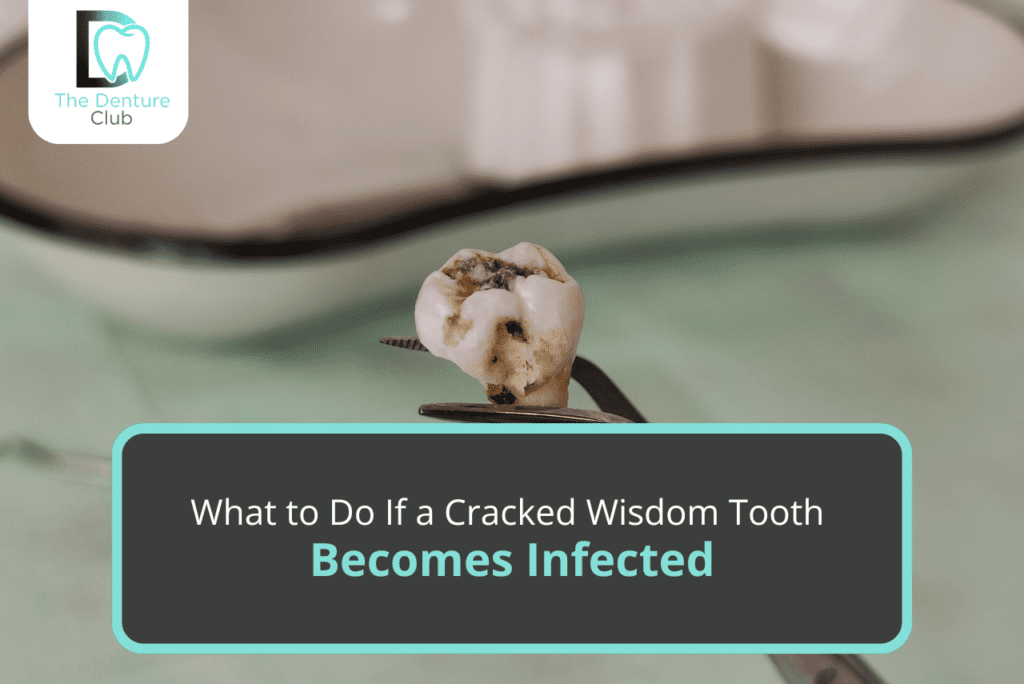
How Dangerous Is a Cracked Wisdom Tooth Infection?
A cracked wisdom tooth can be painful on its own, but when infection sets in, it becomes a serious dental concern. Many people wonder if they can wait it out or try home remedies but delaying care can lead to severe complications. The Denture Company Boise frequently sees patients with infected cracks that have escalated because early warning signs were ignored.
Understanding what to do when a wisdom tooth is cracked and infected can prevent worsening pain, further damage, and systemic health risks.
What Is a Cracked Wisdom Tooth Infection?
A cracked wisdom tooth infection occurs when a fissure or break in the tooth exposes the pulp, the inner soft tissue containing nerves and blood vessels, to bacteria. This can lead to pulpitis, abscess formation, and gum inflammation. Infections can develop in both partially erupted and fully erupted wisdom teeth.
The infection may remain localized or spread into surrounding gum tissue, jawbone, and sometimes beyond, causing systemic symptoms like fever or swollen lymph nodes.
The History and Challenges of Wisdom Teeth
Wisdom teeth, or third molars, have been a part of human dentition for thousands of years. Anthropologists believe they were originally useful for chewing tough, coarse diets of early humans. However, as human jaws evolved to be smaller, there often isn’t enough room for these teeth to emerge properly.
Historically, dentists have noted that impacted or decayed wisdom teeth can cause infections, crowding, and cyst formation. Early removal practices began in the 18th and 19th centuries, with modern extraction techniques now guided by advanced imaging and anesthesia for safer, less painful procedures.
Why Cracked Wisdom Teeth Are at Risk for Infection
Wisdom teeth, or third molars, are the last teeth to erupt, often leaving little space in the jaw. A crack in the tooth exposes the inner pulp to bacteria, creating an environment for infection.
According to the American Dental Association (ADA), bacteria can quickly infiltrate the cracked areas, leading to:
- Tooth pulp infection (pulpitis)
- Gum inflammation and abscess formation
- Severe throbbing pain radiating to the jaw or ear
- Difficulty chewing or opening the mouth
Even minor cracks that aren’t immediately painful can become infected over time, making early evaluation crucial.
Signs Your Cracked Wisdom Tooth May Be Infected
Prompt recognition of infection is essential. According to Mayo Clinic and Healthline, key warning signs include:
- Persistent or worsening tooth pain
- Swollen or tender gums around the affected tooth
- Pus discharge or bad taste in the mouth
- Redness or inflammation on the cheek or jaw
- Fever, chills, or malaise indicating systemic infection
- Difficulty chewing or opening the mouth fully
If any of these symptoms appear, contacting a dental professional is critical. Infection can progress rapidly and may affect surrounding teeth, jawbone, and even general health.
Why You Shouldn’t Wait
Waiting for the pain to go away can have serious consequences. The Cleveland Clinic notes that untreated cracked teeth can lead to:
- Spread of infection to the jaw, sinuses, or bloodstream
- Abscess formation requiring surgical drainage
- Damage to adjacent teeth or gums
- Bone deterioration around the affected area
- Chronic jaw pain and headaches
In severe cases, untreated dental infections can become life-threatening. Early intervention not only relieves pain but prevents more invasive procedures later.
Immediate Steps to Take for a Cracked, Infected Tooth
While professional dental care is essential, these steps can help manage symptoms until treatment:
- Rinse with Warm Salt Water: Helps reduce bacteria and soothe inflamed gums.
- Over-the-Counter Pain Relief: Medications like ibuprofen can control discomfort and reduce inflammation.
- Apply a Cold Compress: Reduces swelling and eases throbbing pain.
- Avoid Hard or Chewy Foods: Prevents further damage to the cracked tooth.
- Maintain Oral Hygiene: Gentle brushing and flossing around the tooth keeps bacteria under control.
These measures do not replace professional treatment but can temporarily relieve discomfort while arranging an urgent dental appointment.
Professional Treatment Options For Cracked Wisdom Teeth
The treatment depends on the severity of the crack and the extent of infection. A dentist or oral surgeon, such as those at The Denture Company Boise, will first evaluate the tooth with digital X-rays or 3D imaging to assess the damage. Common treatment options include:
1. Antibiotics for Infection Control
If the infection has spread or an abscess has formed, antibiotics may be prescribed to stabilize the infection before any procedure.
2. Extraction of the Tooth
Cracked wisdom teeth with significant infection often require removal. Extraction prevents further damage and resolves the source of pain. Surgical removal may be necessary for impacted or partially erupted teeth.
3. Root Canal (Rare for Wisdom Teeth)
In some cases where the tooth is salvageable and the crack is minimal, a root canal may remove the infection and preserve the tooth. However, wisdom teeth are often removed instead of treated due to positioning and future risk.
4. Drainage of an Abscess
If pus has accumulated, the dentist may drain the abscess to relieve pressure and infection before extraction or other procedures.
The Extraction Process of Infected Wisdom Teeth
For teeth that require removal, the procedure is safe and typically quick. Here’s what to expect:
- Anesthesia or Sedation: Local anesthesia numbs the area. Sedation may be offered for comfort.
- Tooth Removal: Simple extraction for erupted teeth, surgical removal for impacted or cracked teeth.
- Cleaning and Gauze Placement: The dentist removes debris and infection, then places gauze to control bleeding.
- Post-Extraction Care: Stitches may be applied if necessary, and instructions provided for optimal healing.
Healthline emphasizes that following post-operative instructions carefully is key to avoiding complications like dry socket or reinfection.
Recovery and Aftercare For Extractions
Healing usually takes 3–7 days for simple extractions and up to 2 weeks for surgical procedures. Tips for smoother recovery include:
- Apply cold compresses to reduce swelling
- Consume soft foods like mashed potatoes, yogurt, and smoothies
- Avoid straws, spitting, and smoking to protect the blood clot
- Take prescribed antibiotics or pain relievers as directed
- Rest and keep the head elevated to minimize bleeding
Regular follow-ups ensure proper healing and prevent lingering infection.
Preventing Future Infections With Proper AfterCare
While wisdom teeth are often removed to prevent recurring problems, maintaining oral health helps protect other teeth:
- Brush and floss carefully around all molars
- Use antimicrobial mouth rinses when recommended
- Attend regular dental checkups and cleanings
- Avoid tobacco, which can increase infection risk
Early monitoring allows dentists to detect issues before they become emergencies.
When to Seek Emergency Care
Immediate care is required if the following occur:
- Swelling spreads to the face or neck
- Severe fever develops
- Persistent throbbing pain despite medication
- Difficulty breathing or swallowing
These symptoms indicate a potentially serious infection and should be addressed in a dental office or emergency setting.
Conclusion
A cracked wisdom tooth infection should never be ignored. Acting promptly not only relieves pain but also prevents severe complications. Patients at The Denture Company Boise frequently see how early intervention leads to faster recovery and better long-term oral health.
If a wisdom tooth shows signs of cracking or infection, scheduling a professional evaluation quickly is the safest way to preserve comfort, prevent further damage, and ensure a healthy smile. The Denture Company Boise provides comprehensive assessment and treatment options for infected or damaged wisdom teeth, helping patients regain oral health efficiently.
Even minor discomfort can escalate quickly, addressing it early is the key to avoiding emergency situations.
Frequently Asked Questions (FAQs)
- Can a cracked wisdom tooth infection heal on its own?
No, infections usually worsen without professional treatment and may cause severe complications.
- How soon should I see a dentist for a cracked wisdom tooth?
Within 24–48 hours if pain, swelling, or pus is present.
- Is wisdom tooth extraction painful?
Not during the procedure; anesthesia or sedation ensures comfort.
- Can an infection spread from a wisdom tooth?
Yes, untreated infection can reach the jaw, sinuses, or bloodstream.
- How long does recovery take after removing an infected wisdom tooth?
Most patients heal in 3–7 days, with surgical cases taking up to 2 weeks.
References
- American Dental Association (ADA) – Wisdom Teeth
- American Association of Oral and Maxillofacial Surgeons (AAOMS)
- Mayo Clinic – Tooth Extraction
- Cleveland Clinic – Wisdom Teeth Removal
- Healthline – Wisdom Tooth Recovery
- National Institutes of Health (NIH) – Oral Health