
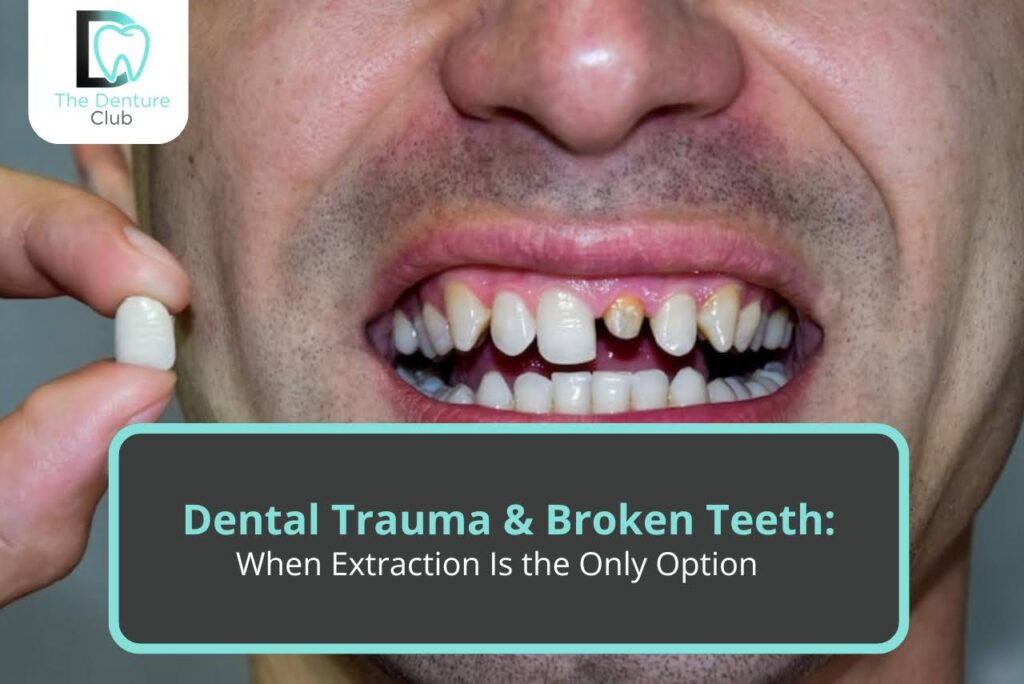
When Should You Consider Tooth Extraction After Dental Trauma?
Dental trauma and broken teeth can be painful, stressful, and sometimes dangerous if not treated promptly. For many patients in Boise, Idaho, tooth extraction is the only viable solution when damage is severe, infection is present, or the tooth cannot be restored. At The Denture Company Boise, our goal is to help patients understand when extraction is necessary, what to expect during the procedure, and how to recover safely.
Whether it’s a fractured molar from a sports injury, a cracked front tooth from an accident, or severe decay following dental trauma, knowing the signs that require urgent care can prevent complications and save both your smile and your health.
What Is Tooth Extraction and Why It Matters
A tooth extraction is the removal of a tooth from its socket in the jawbone. When teeth are broken, fractured, or damaged beyond repair due to trauma, decay, or infection, extraction becomes a necessary treatment to prevent further complications such as infection, pain, or damage to surrounding teeth.
Dental trauma refers to physical injuries to the teeth, gums, or supporting bone structures. These injuries may be caused by falls, accidents, sports injuries, or physical altercations. Depending on the severity, trauma can range from minor chips to complete tooth displacement or fracture.
According to the American Dental Association (ADA), extraction is recommended only when no other restorative options, like crowns, fillings, or root canal therapy, can preserve the tooth.
Why Tooth Extraction Can Be the Best Solution for Broken Teeth
While losing a natural tooth may seem concerning, timely extraction offers several benefits:
- Prevents Infection: According to NIH & CDC, A severely broken tooth can harbor bacteria, leading to abscesses, gum infections, or systemic complications. Removal eliminates the source of infection.
- Reduces Pain: Fractured or traumatized teeth can cause constant, throbbing discomfort. Extraction provides immediate relief.
- Protects Surrounding Teeth: Leaving a broken tooth untreated can cause damage to adjacent teeth, misalignment, or bite issues.
- Prepares for Restoration: After extraction, options like partial dentures, bridges, or dental implants can restore function and aesthetics effectively.
- Avoids Emergency Room Visits: Timely dental extraction prevents severe complications that could otherwise require hospital care.
Tooth Extractions Through the Ages
Tooth extraction is one of the oldest dental procedures in human history. Ancient civilizations used rudimentary tools to remove decayed or painful teeth. Over time, techniques evolved:
- 18th–19th century: Extractions became more refined with the use of forceps and early anesthesia.
- 20th century: Local anesthetics and improved surgical tools made extractions safer and less painful.
- Modern dentistry: Digital imaging, sedation options, and sterile surgical techniques allow precise, low-risk extractions, even for complex trauma cases
Modern dentistry focuses on pain-free, safe, and efficient extractions. The AAOMS (American Association of Oral and Maxillofacial Surgeons) highlights that most extractions today are performed under local anesthesia or sedation, ensuring comfort even in complex cases such as impacted teeth or trauma-related fractures.
Potential Risks of Tooth Extraction
Although tooth extraction is a common and generally safe procedure, there are potential risks:
- Infection: Healthline describes that even after extraction, bacteria can infect the socket if proper care is not taken.
- Dry Socket: This occurs when the blood clot protecting the extraction site is dislodged, causing pain and delayed healing.
- Bleeding: Minor bleeding is normal, but excessive or prolonged bleeding may require immediate attention.
- Nerve Injury: In rare cases, nearby nerves may be affected, leading to temporary numbness or tingling.
- Sinus Issues: Upper molar extractions may sometimes impact the sinus cavity, especially if the roots are close to it.
Despite these risks, proper technique, anesthesia, and post-op care significantly reduce complications. At The Denture Company Boise, our dental team follows strict protocols to minimize risks and ensure a smooth recovery.
Mistakes to Avoid After a Tooth Extraction
To protect your oral health and prevent complications after extraction:
- Avoid hard or crunchy foods for the first few days.
- Do not smoke or use straws, as suction can dislodge the blood clot.
- Avoid touching the extraction site with your fingers or tongue.
- Do not delay treatment if a broken tooth becomes painful or infected.
- Avoid over-the-counter medications not recommended by your dentist, which could interfere with healing.
Recovery & Maintenance For Quick Healing
Proper care after a tooth extraction ensures quick healing and reduces the chance of infection:
- Rest and Elevate: Rest for at least 24 hours and keep your head elevated to reduce bleeding and swelling.
- Cold Compress: Apply ice packs for 10–15 minutes at a time during the first 24 hours.
- Soft Diet: Consume soft foods like yogurt, soup, and mashed potatoes. Avoid chewing near the extraction site.
- Oral Hygiene: ADA and CDC suggest brushing and flossing gently, avoiding the extraction site for the first couple of days.
- Medications: Take prescribed antibiotics or pain relievers as directed.
- Follow-Up Visits: Schedule follow-ups to ensure proper healing and discuss restoration options.
Recovery typically takes 3–7 days for simple extractions and may extend slightly for surgical or trauma-related cases.
Alternative Options for Tooth Extraction
While extraction is necessary for severely damaged teeth, dentists consider alternatives whenever possible:
- Dental Crowns: For teeth with cracks that do not extend below the gumline.
- Root Canal Therapy: Preserves the tooth by removing infected pulp and restoring structure.
- Splinting: Stabilizing a loose tooth caused by trauma instead of removing it.
- Partial Dentures or Implants: According to NIDCR and the Cleveland Clinic, Post-extraction restoration options that replace missing teeth for functionality and aesthetics.
Your dentist will evaluate your case and recommend extraction only when these alternatives cannot save the tooth.
Signs That Extraction Is the Only Option
At The Denture Company Boise, we frequently see patients with dental trauma where extraction is unavoidable. Watch for these signs:
- Severe, unrelenting pain
- Broken or fractured teeth beyond repair
- Pus, swelling, or infection
- Teeth displaced or knocked out due to trauma
- Inability to bite or chew properly
- Fever or general malaise due to oral infection
According to WebMD and NIH studies, early intervention prevents serious complications like jawbone infection, systemic infections, or misalignment of surrounding teeth.
Conclusion
Dental trauma and broken teeth are not only painful but can also pose serious health risks if left untreated. At The Denture Company Boise, tooth extraction is performed safely, efficiently, and with patient comfort in mind. By recognizing the signs early, understanding the procedure, and following post-extraction care, patients can recover quickly and maintain oral health.
If you or a loved one experiences a broken or traumatized tooth in Boise, don’t wait! Contact The Denture Company Boise today to schedule an urgent evaluation and prevent further complications.
Frequently Asked Questions (FAQs)
- Is tooth extraction painful?
Not when performed under local anesthesia or sedation. Patients may experience mild soreness during recovery.
- How long does it take to heal from a broken tooth extraction?
Simple extractions usually heal within a week, while surgical extractions or trauma-related cases may take longer.
- Can a broken tooth cause infection?
Yes. Untreated broken teeth can harbor bacteria, leading to abscesses or systemic infections.
- What if my child breaks a tooth?
Pediatric patients may require sedation or specialized care. Immediate evaluation is essential to prevent long-term damage.
- Should I wait to see a dentist if my tooth is fractured?
No. Delaying treatment can worsen the injury, lead to infection, and increase the complexity of extraction.
References
- Medicaid.gov – Medicaid dental coverage
- CMS.gov – State-specific dental programs
- NIH.gov – Oral health and wisdom tooth research
- CDC.gov – Post-extraction care and infection control
- HRSA.gov – Low-cost dental programs
- ADA.org – Tooth extraction guidelines
- AAOMS.org – Oral surgery and trauma management
- MayoClinic.org – Tooth extraction recovery and risks
- ClevelandClinic.org – Dental trauma and implants
- WebMD.com – Emergency dental care tips
- Healthline.com – Post-trauma dental recovery
- NIDCR.nih.gov – Research-backed info on broken teeth