
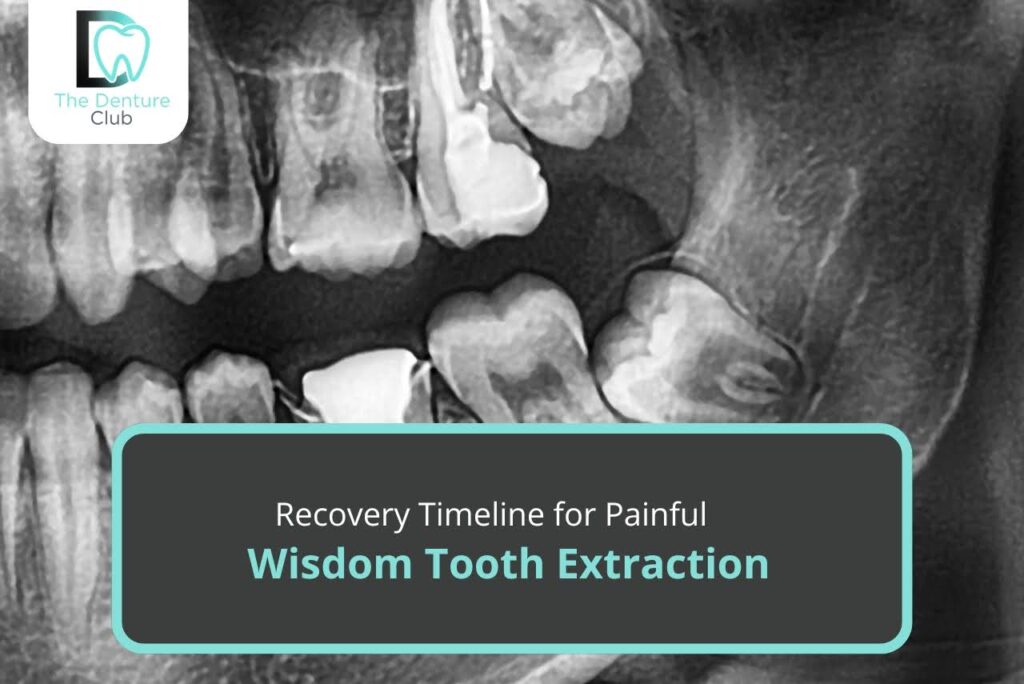
How Long Does It Take to Recover from a Painful Wisdom Tooth Extraction?
If you’ve recently had your wisdom teeth removed or are preparing for surgery, you’re likely wondering how long it takes to heal. Most patients at The Denture Company Boise recover from wisdom tooth extraction within 7 to 14 days, but the exact timeline depends on factors like the tooth’s position, infection severity, and overall health.
According to the American Association of Oral and Maxillofacial Surgeons (AAOMS), recovery from an impacted or infected wisdom tooth extraction can take up to two weeks, while simple extractions often heal faster. During this period, proper care is essential to prevent complications like dry socket or infection, which can delay healing.
What Is Wisdom Tooth Extraction?
Wisdom tooth extraction is a common oral surgery that removes one or more third molars, the last set of teeth to erupt, usually between the ages 17 and 25. When these teeth become impacted (trapped under the gums or bone) or infected, extraction becomes necessary to prevent pain, swelling, and long-term damage to nearby teeth.
The Cleveland Clinic explains that wisdom tooth extraction may involve removing gum tissue or bone to reach the tooth, especially when it’s fully or partially impacted. In most cases, local anesthesia or sedation is used to keep the patient comfortable throughout the procedure.
Why Extraction and Proper Healing Matter
Removing painful or infected wisdom teeth is more than just about comfort; it’s a crucial step in protecting your long-term oral health and preventing serious complications. A timely extraction supports faster healing and reduces the risk of recurring pain or infection. It offers several key benefits:
- Pain Relief: Extraction eliminates pressure and throbbing pain caused by impaction or infection.
- Infection Control: Prevents bacteria from spreading to other teeth, gums, or bone tissue.
- Improved Oral Function: Reduces swelling and allows normal chewing and jaw movement.
- Long-Term Health: Prevents cysts, crowding, and jawbone deterioration linked to untreated impactions.
The American Dental Association (ADA) notes that early intervention and proper aftercare help patients heal faster and avoid chronic dental issues later in life.
How Wisdom Tooth Extraction Became Safer
Historically, wisdom tooth removal was considered a painful and invasive procedure. However, advances in dental anesthesia and surgical tools have made it much safer and more comfortable.
- 19th century: Early extractions were done without modern anesthesia, leading to painful recoveries.
- Mid-20th century: Introduction of local anesthesia and later IV sedation made oral surgery less traumatic.
- Today: Digital imaging, minimally invasive techniques, and sedation dentistry allow patients to undergo extractions with less swelling, pain, and faster healing times.
According to NIH research, innovations in oral surgery and infection control have dramatically reduced complication rates in modern extractions.
Potential Risks: What Can Slow Down Healing?
While most patients heal without issues, some experience complications that delay recovery. Being aware of these risks helps you act quickly if symptoms worsen.
1. Dry Socket (Alveolar Osteitis)
Occurs when the blood clot that forms after extraction becomes dislodged, exposing bone and nerves. According to the CDC, this can cause intense pain within three days of surgery and may require additional treatment.
2. Infection
Bacteria can enter the extraction site, especially if food particles get trapped. Symptoms include foul odor, pus discharge, fever, and swelling. Mayo Clinic warns that untreated dental infections can spread to surrounding tissues or even the bloodstream in rare cases.
3. Prolonged Swelling or Nerve Irritation
Some patients experience facial swelling or temporary numbness, particularly after surgical removal of impacted teeth. The AAOMS advises contacting your dentist if numbness or swelling persists beyond two weeks.
4. Smoking or Using Straws Too Soon
Both create suction that can dislodge the healing clot, increasing the risk of dry socket and infection.
Things to Avoid to Prevent Harm
During recovery, it’s crucial to protect your healing gums and prevent complications. Here’s what The Denture Company Boise team recommends avoiding:
- Don’t smoke or vape for at least 48–72 hours. Nicotine slows healing and increases infection risk.
- Avoid drinking through straws, spitting, or rinsing vigorously in the first 24 hours.
- Skip hard or crunchy foods (chips, nuts, popcorn) that can irritate or enter the socket.
- Don’t skip prescribed antibiotics or pain medication; they’re key to preventing infection and managing inflammation.
- Avoid intense exercise for two days; an elevated heart rate can trigger bleeding.
According to the ADA’s MouthHealthy guide, patients who follow post-op care instructions recover faster and experience fewer complications.
Recovery Timeline: What to Expect Each Day
Healing after a painful wisdom tooth extraction happens in stages. Here’s a realistic day-by-day timeline:
Day 1: Immediate Recovery
- Bleeding and mild swelling are normal.
- Bite gently on gauze to form a clot.
- Rest and avoid eating hot or spicy food.
- Keep your head elevated to minimize throbbing.
Days 2–3: Managing Pain and Swelling
- Pain peaks around the second day but can be managed with prescribed medication or over-the-counter pain relief.
- Apply ice packs for 10–15 minutes at a time.
- Stick to soft foods: mashed potatoes, yogurt, applesauce, or smoothies.
- Avoid brushing near the extraction site.
Days 4–7: Early Healing
- Swelling should decrease, and you can gradually resume light activity.
- Replace ice packs with warm compresses if stiffness remains.
- Rinse gently with warm salt water after meals to keep the socket clean.
- Slight bruising or soreness may persist but should steadily improve.
Days 8–14: Tissue Regeneration
- New gum tissue begins forming over the socket.
- Most patients can return to normal diets by day 10.
- Continue avoiding hard or crunchy foods until tenderness subsides.
- Persistent bad taste or odor may signal infection; call your dentist if notice.
Weeks 3–4: Complete Recovery
- Most sockets close completely within three to four weeks.
- Surgical sites heal more slowly, especially for impacted extractions.
- Resume normal brushing and flossing, but stay gentle near the healing area.
According to the Cleveland Clinic, complete bone remodeling may take several months, but discomfort typically resolves by the second week.
How to Support Long-Term Healing
After your wisdom teeth are removed, proper maintenance ensures lasting comfort and prevents secondary issues.
- Maintain Oral Hygiene Carefully: Use a soft-bristle toothbrush and rinse with salt water twice daily after 24 hours.
- Stay Hydrated: Water helps flush bacteria and promotes tissue repair. Avoid alcohol and carbonated drinks for several days.
- Eat a Nutrient-Rich, Soft Diet: Include foods high in vitamin C and protein (smoothies, eggs, soups) to aid tissue healing.
- Follow Up with Your Dentist: Schedule a check-up 5–7 days after surgery to ensure normal healing. The AAOMS emphasizes that early evaluation helps detect any hidden infection or nerve irritation.
What If You Don’t Remove Painful Wisdom Teeth?
In rare cases, if the wisdom tooth isn’t infected or impacted, your dentist may suggest monitoring instead of immediate removal. Regular X-rays help ensure no hidden damage occurs to nearby teeth.
However, delaying extraction when there’s swelling, pain, or infection can cause severe complications such as:
- Jawbone deterioration
- Cyst formation around the impacted tooth
- Spreading infection to adjacent molars
- Sinus problems (for upper molars)
The ADA and Mayo Clinic agree that early removal of problematic wisdom teeth prevents future pain, misalignment, and costly oral surgery.
Does Medicaid Cover Wisdom Tooth Extraction in Boise?
Yes, in many cases, Medicaid covers wisdom tooth extraction if it’s deemed medically necessary (for example, infection, swelling, or pain). According to Medicaid.gov, coverage and reimbursement vary by state, but Idaho Medicaid includes essential oral surgery under adult dental benefits.
Our Boise office helps patients verify coverage and provides affordable options for those without insurance.
Final Thoughts
Recovery from a painful wisdom tooth extraction doesn’t have to be overwhelming. With professional care, a healthy diet, and good oral hygiene, most patients feel normal again within two weeks.
At The Denture Company Boise, we’re here to make your healing process smooth, comfortable, and stress-free, from your first consultation to complete recovery.
Still have wisdom tooth pain? Schedule your appointment today with The Denture Company Boise and let our team help you heal safely and confidently.
Frequently Asked Questions (FAQs)
- How long does pain last after a wisdom tooth extraction?
Most discomfort peaks within 2–3 days and improves by the end of the first week. Mild soreness may last up to two weeks after surgery.
- When can I eat normal food again after extraction?
You can start eating soft foods after 2–3 days and return to your normal diet within 7–10 days, depending on how fast your mouth heals.
- What are the warning signs of infection after wisdom tooth removal?
Watch for fever, bad taste, pus, or pain that worsens after day three; these may signal an infection that needs prompt dental care.
- How can I speed up healing after a painful extraction?
Avoid smoking, eat soft foods, stay hydrated, and rinse gently with salt water after 24 hours to promote faster and safer healing.
- Does Idaho Medicaid cover wisdom tooth extraction?
Yes, Idaho Medicaid typically covers wisdom tooth extractions when medically necessary for pain, infection, or swelling relief.
References
- American Dental Association (ADA) – MouthHealthy: Wisdom Teeth
- American Association of Oral and Maxillofacial Surgeons (AAOMS): Wisdom Teeth
- Centers for Disease Control and Prevention (CDC): Oral Health
- Mayo Clinic: Tooth Extraction
- Cleveland Clinic: Dental Implants & Oral Surgery Overview
- Medicaid.gov: Dental Coverage
- National Institutes of Health (NIH): Oral Health Research