What Is the Average Lifespan of Dental Implants?
Dental implants are one of the most reliable and long-lasting solutions for replacing missing teeth, but many patients wonder: “How long do dental implants really last?” The truth is, with proper care, dental implants can last 20 years or more, and in many cases, a lifetime. At The Denture Company Boise, we help patients restore their smiles with implants designed for durability, comfort, and natural appearance.
In this guide, we’ll explore what affects implant longevity, how to care for them, and what you can expect over the years after your procedure.
What Are Dental Implants?
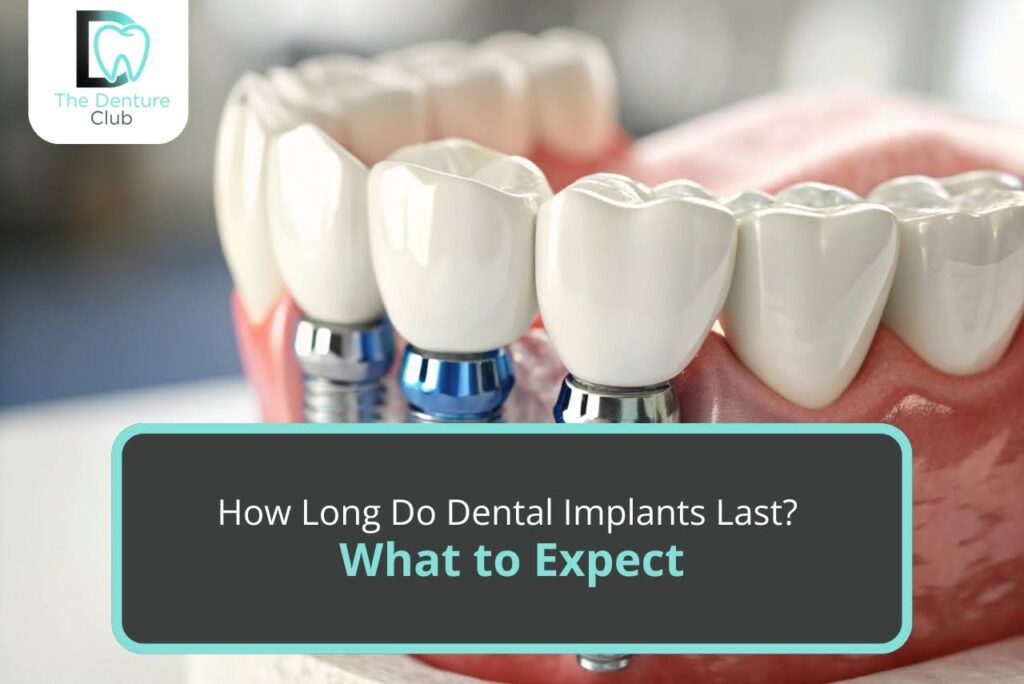
A dental implant is a small titanium post that replaces the root of a missing tooth. It’s surgically placed into the jawbone, where it fuses with bone tissue through a process called osseointegration.
Once the implant has bonded, a custom abutment and dental crown (or denture) are attached, creating a strong, lifelike replacement that functions like a natural tooth.
According to the American Dental Association (ADA), implants have a success rate of over 95%, making them one of the most predictable and effective restorative treatments available today.
Why Dental Implants Last So Long
Several factors make dental implants more durable than other tooth replacement options:
- Titanium Strength: Titanium is biocompatible, meaning it integrates naturally with your bone without causing allergic reactions.
- Bone Fusion: The implant fuses with your jawbone, providing unmatched stability.
- Non-Removable: Unlike dentures, implants don’t shift or wear out easily.
- Preserves Jawbone: By stimulating bone tissue, implants prevent bone loss that occurs with missing teeth.
When properly maintained, an implant post can last a lifetime, while the crown or bridge attached to it usually lasts about 10–15 years before it may need replacement due to normal wear.
A Brief History of Dental Implants
Modern implant dentistry has its roots in the 1950s when Swedish orthopedic surgeon Dr. Per-Ingvar Brånemark discovered that titanium could fuse naturally with bone.
This discovery, osseointegration, revolutionized tooth replacement. By the 1980s, dental implants had become a mainstream treatment supported by the American Academy of Implant Dentistry (AAID) and the ADA.
Today, thanks to digital imaging, 3D-guided placement, and improved materials, implants are stronger, safer, and more precise than ever before.
Factors That Affect How Long Dental Implants Last
Even though dental implants are incredibly durable, their lifespan depends on a few key factors.
1. Oral Hygiene
Just like natural teeth, implants require daily care. Brushing twice a day, flossing, and using an antibacterial mouth rinse help prevent gum inflammation and infection (peri-implantitis).
2. Lifestyle Habits
Smoking, excessive alcohol use, or a poor diet can slow healing and weaken bone support around the implant. The Centers for Disease Control and Prevention (CDC) notes that smokers are twice as likely to experience implant failure compared to non-smokers.
3. Bone Health and Density
Strong, healthy bone is crucial for implant success. Patients with jawbone loss may need a bone graft before implant placement to ensure a stable foundation.
4. Bite Force and Grinding
Chronic teeth grinding (bruxism) can put extra stress on implants, leading to loosening or crown damage. Wearing a custom nightguard can help protect them.
5. Professional Maintenance
Routine dental checkups and cleanings allow your dentist to monitor implant health and prevent minor issues from turning into major ones.
Common Signs Your Dental Implant Needs Attention
Although most dental implants last for decades, there are times when maintenance or repair may be needed. Watch for:
- Gum redness or swelling near the implant
- Persistent pain or bleeding
- Loose crown or implant post
- Bad taste or odor (possible infection)
If you experience any of these signs, contact your Boise implant dentist immediately to prevent complications.
What to Expect from Dental Implants
Getting dental implants is a multi-step process designed to restore both the function and appearance of your natural teeth. Modern implant dentistry combines digital imaging, surgical precision, and custom restorations to achieve long-term success and comfort.
Comprehensive Evaluation and 3D Imaging
The first stage involves a complete dental examination and advanced 3D imaging to assess the jawbone, gum health, and bite alignment. This step ensures that the implants are planned and placed in the most suitable position for stability and aesthetics. Detailed scans also help determine whether bone grafting or other preliminary treatments are necessary.
Precision Placement for Lasting Results
During the implant procedure, guided surgical technology is often used to achieve precise positioning. This method improves accuracy, reduces discomfort, and helps the implant integrate securely with the bone. A well-placed implant provides a strong, durable foundation for the replacement tooth or restoration that follows.
Custom Restorations That Blend Seamlessly
Once healing is complete and the implant has fused with the bone, a custom-made crown, bridge, or denture is attached. These restorations are designed to match the natural color, shape, and contour of existing teeth, creating a natural-looking smile that functions comfortably for eating and speaking.
Follow-Up Care and Maintenance
After implant placement, follow-up visits are essential to monitor healing and ensure proper integration. Patients are typically advised on home-care routines such as gentle brushing, flossing, and regular professional cleanings. Maintaining good oral hygiene and routine checkups helps protect the implant and surrounding gums from infection or bone loss.
Accessible Options for Every Patient
Many dental practices work with insurance providers and offer flexible financing options to make implant treatment more affordable. Medicaid or state programs may also provide coverage for medically necessary procedures. It’s always best to review coverage details in advance to understand all available options.
The Risks of Poor Implant Maintenance
Neglecting implant care can lead to several issues, including:
- Peri-implantitis: A bacterial infection that damages gum and bone tissue around the implant.
- Bone loss: Without proper hygiene, the bone surrounding the implant can deteriorate.
- Crown wear: Chewing hard foods or grinding teeth can damage the crown or abutment.
According to Mayo Clinic, untreated infections around dental implants can eventually cause implant failure, emphasizing the importance of ongoing care.
How to Make Dental Implants Last Longer
The best way to protect your investment is through consistent oral hygiene and regular dental visits. Here are a few practical tips from The Denture Company Boise team:
- Brush twice daily with a soft-bristle toothbrush and non-abrasive toothpaste
- Floss around implants using implant-specific floss or water flossers
- Avoid chewing hard foods like ice or hard candies
- Quit smoking to improve healing and long-term outcomes
- Schedule dental checkups every six months for professional cleanings and evaluations
With the right care, most dental implants can last 25 years or more, and many patients keep them for life.
Alternative Tooth Replacement Options
While implants are the gold standard, they’re not the only option. Depending on your dental health, budget, and preferences, your dentist might also recommend:
- Dental Bridges: Supported by adjacent teeth; typically last 7–10 years.
- Partial Dentures: Removable and more affordable but may require adjustments.
- Full Dentures: Suitable for multiple missing teeth; need periodic relining or replacement.
If you’re unsure which option fits you best, schedule a consultation at The Denture Company Boise, our team can create a personalized plan based on your smile goals.
Can Dental Implants Fail?
Though rare, implant failure can occur. The National Institutes of Health (NIH) estimates a failure rate of less than 5%. Common causes include infection, bone loss, or excessive bite pressure.
The good news: with early detection and proper treatment, most issues can be resolved without losing the implant.
Conclusion
Dental implants are more than a cosmetic fix; they’re a long-term investment in your oral health, confidence, and quality of life. At The Denture Company Boise, we’ve seen firsthand how life-changing implants can be. Whether you’re replacing one tooth or a full set, our team ensures your implants are built to last and your recovery is smooth every step of the way.
Ready to restore your smile? Schedule your dental implant consultation today at The Denture Company Boise and take the first step toward a confident, lasting smile.
Frequently Asked Questions (FAQs)
- How long do dental implants typically last?
With proper care and good oral hygiene, dental implants can last 20 years or even a lifetime.
- What can cause dental implants to fail early?
Poor oral hygiene, smoking, gum disease, or insufficient bone support are common causes of implant failure.
- Do dental implants require special maintenance?
Not necessarily! Just regular brushing, flossing, and dental checkups to keep gums and bone healthy.
- Can dental implants be replaced if they fail?
Yes. In most cases, a failed implant can be replaced after treating the underlying issue or bone loss.
- Are dental implants covered by insurance or Medicaid?
Some insurance plans and Medicaid programs cover medically necessary implants, check your specific policy for details.
References
- American Dental Association (ADA) – Dental Implants Overview
https://www.ada.org - Mayo Clinic – Dental Implant Surgery: Risks and Care
https://www.mayoclinic.org - Cleveland Clinic – Dental Implants: What to Expect
https://my.clevelandclinic.org - National Institutes of Health (NIH) – Long-Term Outcomes of Dental Implants
https://www.nih.gov - Centers for Disease Control and Prevention (CDC) – Tobacco Use and Oral Health
https://www.cdc.gov/oralhealth
Healthline – Dental Implant Recovery Tips and Care
https://www.healthline.com