
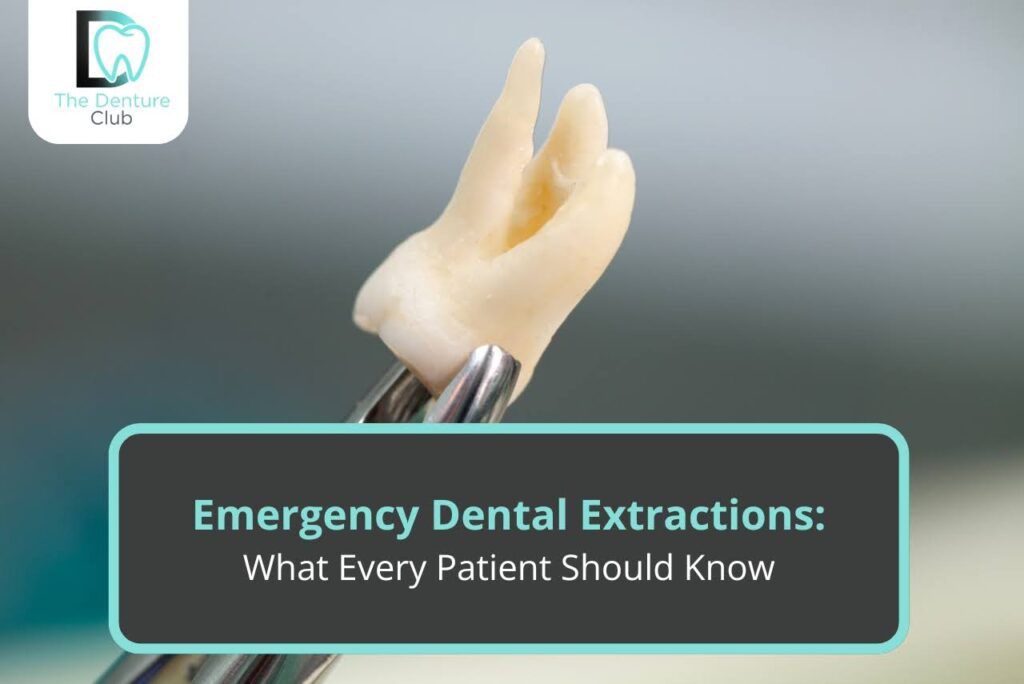
When Is an Emergency Tooth Extraction Needed?
When a tooth becomes severely infected, fractured, or causes unbearable pain, waiting for a regular dental appointment can make things worse. That’s when an emergency dental extraction becomes necessary.
An emergency extraction is a same-day or urgent procedure to remove a tooth that is causing intense pain, swelling, or infection. At The Denture Company Boise, these extractions are performed with comfort-focused techniques and sedation options, helping you find fast relief while protecting your overall oral health.
What Exactly Is an Emergency Dental Extraction?
According to the American Dental Association (ADA), a tooth extraction involves removing a tooth from its socket when it can no longer be saved by fillings, crowns, or root canals. In emergency situations, the extraction prevents infection from spreading and stops severe pain almost immediately.
Emergency dental extractions are often needed when:
- A tooth is cracked below the gum line
- A wisdom tooth becomes impacted or infected
- A dental abscess causes swelling and fever
- Trauma breaks or loosens a tooth beyond repair
Unlike planned extractions, emergency procedures are designed to stop pain fast and prevent further health complications.
Top Benefits of Getting an Emergency Tooth Extraction
While no one looks forward to losing a tooth, emergency extractions offer several critical benefits that protect your long-term health.
- Pain Relief: Severe toothaches from infection or decay can be debilitating. Extracting the affected tooth removes the source of pain quickly.
- Infection Control: Untreated tooth infections can spread to the jaw, sinuses, or even the bloodstream (CDC). Extraction stops the infection from advancing.
- Protecting Other Teeth: A decayed or infected tooth can damage surrounding teeth or gum tissue. Removing it early prevents further decay or shifting.
- Faster Healing: Prompt extraction allows your gums to heal cleanly, especially when paired with antibiotics and post-care guidance.
- Foundation for Future Restorations: Removing a damaged tooth can make way for dentures or implants, restoring both function and appearance later on.
At The Denture Company Boise, patients often combine extractions with immediate dentures, so they never leave the office without a confident smile.
A Brief Look at How Tooth Extractions Evolved
Tooth extraction has been part of dental care for centuries. Early methods were often painful and risky due to the lack of anesthesia or sterile tools. Thankfully, modern dentistry has changed that completely.
Today’s emergency extractions are performed using advanced tools, precision techniques, and safe sedation options such as oral or IV sedation (ADA, AAOMS). Digital X-rays help identify infection sources quickly, while antibiotics and post-care monitoring ensure optimal healing.
In fact, the National Institutes of Health (NIH) highlights that advancements in oral surgery have made extractions safer than ever before, even for patients with medical conditions or anxiety.
Possible Risks You Should Know Before Extraction
As with any dental or surgical procedure, emergency extractions come with a few possible risks. Understanding these helps you prepare and recover smoothly.
Common risks include:
- Bleeding or Swelling: Mild bleeding is normal for 24 hours, but excessive bleeding should be reported.
- Dry Socket: This occurs if a blood clot fails to form or is dislodged, exposing the bone beneath.
- Infection: Although rare, infection can occur if bacteria enter the socket. Following post-op care minimizes this.
- Nerve Sensitivity: Some lower molar extractions may cause temporary tingling, which usually fades within days.
According to the Mayo Clinic and AAOMS, these complications are preventable with proper technique and care. Dentists trained in emergency procedures monitor your healing closely and use sterile tools to ensure your safety.
What to Avoid After an Emergency Extraction
After an emergency extraction, the first 48 hours are crucial for healing. To avoid complications, here’s what dentists and the Centers for Disease Control and Prevention (CDC) recommend:
Avoid:
- Smoking or vaping can slow healing and cause dry socket.
- Drinking through a straw may dislodge the blood clot.
- Touching the extraction site with your tongue or fingers.
- Hard or crunchy foods can irritate the gum tissue.
- Strenuous physical activity within the first day.
Do:
- Keep the area clean with gentle rinses after 24 hours.
- Apply ice packs to reduce swelling.
- Take prescribed antibiotics and pain medication as directed.
Following these precautions ensures the site heals quickly and comfortably.
How to Care for Your Mouth After an Extraction
Healing after an emergency dental extraction typically takes about one to two weeks. Proper maintenance not only relieves pain but also prepares your mouth for future restorative options like dentures or implants.
Key steps for maintenance include:
- Oral hygiene: Brush gently around the area, avoiding direct contact with the socket for the first few days.
- Warm salt rinses: Starting 24 hours after extraction helps prevent infection and soothe the gums.
- Hydration and nutrition: Soft foods like soup, yogurt, and mashed potatoes keep your body strong while healing.
- Follow-up visits: Schedule a check-up to ensure your gums are healing properly and discuss tooth replacement options.
According to the National Institute of Dental and Craniofacial Research (NIDCR), consistent aftercare reduces the risk of future dental issues and supports overall oral health.
Alternatives to Emergency Extraction
In some cases, an emergency extraction isn’t the only solution. Your dentist may explore alternatives depending on the tooth’s condition.
- Root Canal Treatment: If the tooth’s structure is mostly intact, a root canal can remove the infection while preserving the tooth.
- Pulpotomy (for children): For pediatric patients, this partial root treatment can save baby teeth until they naturally fall out (AAPD).
- Crown Restoration: A fractured tooth that’s not deeply infected can sometimes be saved with a dental crown.
However, when pain, swelling, or infection is severe, extraction remains the fastest and safest choice for recovery. The dentist will review all available options before proceeding.
Painless Options for Anxiety-Free Dental Care
Many patients hesitate to seek emergency dental care due to fear or anxiety. Fortunately, modern sedation methods make extractions virtually painless.
We offer:
- Oral Sedation: A relaxing pill taken before your visit to ease anxiety.
- IV Sedation: Deep relaxation for surgical or multiple extractions, monitored throughout.
- Twilight Sedation: A conscious but calm state, perfect for those who prefer not to remember the procedure.
According to the ADA and the Cleveland Clinic, these sedation methods are safe when performed by trained professionals and monitored with appropriate equipment.
Does Medicaid Cover Emergency Extractions?
For patients with Medicaid, coverage for emergency dental extractions varies by state. According to Medicaid.gov and the Centers for Medicare & Medicaid Services (CMS), most state programs cover:
- Extractions due to pain, infection, or trauma
- Tooth removal before medically necessary dentures
- Sedation for qualifying medical conditions
The Denture Company Boise accepts Medicaid and works closely with eligible patients to make sure treatment remains affordable. Their team helps with documentation and verifies coverage before your visit, ensuring transparency in every step.
How to Prepare for Your Emergency Extraction
If your dentist confirms you need an emergency extraction, here’s how to prepare for a smooth experience:
- Bring a list of medications and health conditions.
- Avoid eating or drinking for at least 6 hours before sedation (if applicable).
- Arrange a ride home if you’re receiving oral or IV sedation.
- Wear loose, comfortable clothing.
- Follow all post-procedure instructions carefully.
The HRSA recommends contacting a local dental health center if you suspect an infection or can’t access emergency care quickly. Delaying treatment can worsen pain and increase infection risks.
Final Thoughts: Don’t Wait for Dental Pain to Worsen
A dental emergency can happen when you least expect it, but fast action can save you from severe pain and long-term complications. Whether it’s a broken tooth, abscess, or swelling that won’t subside, emergency dental extraction is a safe and effective solution when handled by professionals.
At The Denture Company Boise, patients receive compassionate, immediate care with sedation and same-day treatment options. Your comfort, health, and confidence always come first.
Frequently Asked Questions (FAQs)
- How do I know if I need an emergency extraction?
If you have severe pain, facial swelling, fever, or bleeding that won’t stop, contact your dentist right away. These signs often indicate infection or trauma that requires immediate attention.
- Is an emergency tooth extraction painful?
No! With local anesthesia and sedation options like oral or IV sedation, you’ll feel relaxed and pain-free throughout the procedure.
- How long does it take to recover?
Most patients heal within one to two weeks, depending on the tooth’s location and overall health.
- Does Medicaid cover emergency dental extractions?
Yes, most states cover extractions when medically necessary, especially for infection or severe pain (Medicaid.gov).
- Can I get dentures immediately after extraction?
Yes! The Denture Company Boise offers immediate dentures, allowing you to restore your smile right after your extraction.
Sources:
- AAPD.org – Pediatric Dental Guidelines & Pulp Therapy Recommendations
- AAOMS.org – Oral and Maxillofacial Surgery Standards
- ADA.org – Tooth Extraction Guidelines & Sedation Information
- CDC.gov – Oral Health & Infection Control Guidance
- ClevelandClinic.org – Sedation Dentistry and Oral Surgery Care
- CMS.gov – Dental Program & Medicaid Coverage Guidance
- HRSA.gov – Access to Affordable Emergency Dental Care
- MayoClinic.org – Tooth Extraction Overview and Recovery Advice
- Medicaid.gov – Dental Coverage for Emergency Extractions
- NIH.gov – Advancements in Oral Surgery and Safety Standards
- NIDCR.nih.gov – Oral Health Research & Post-Extraction Care