
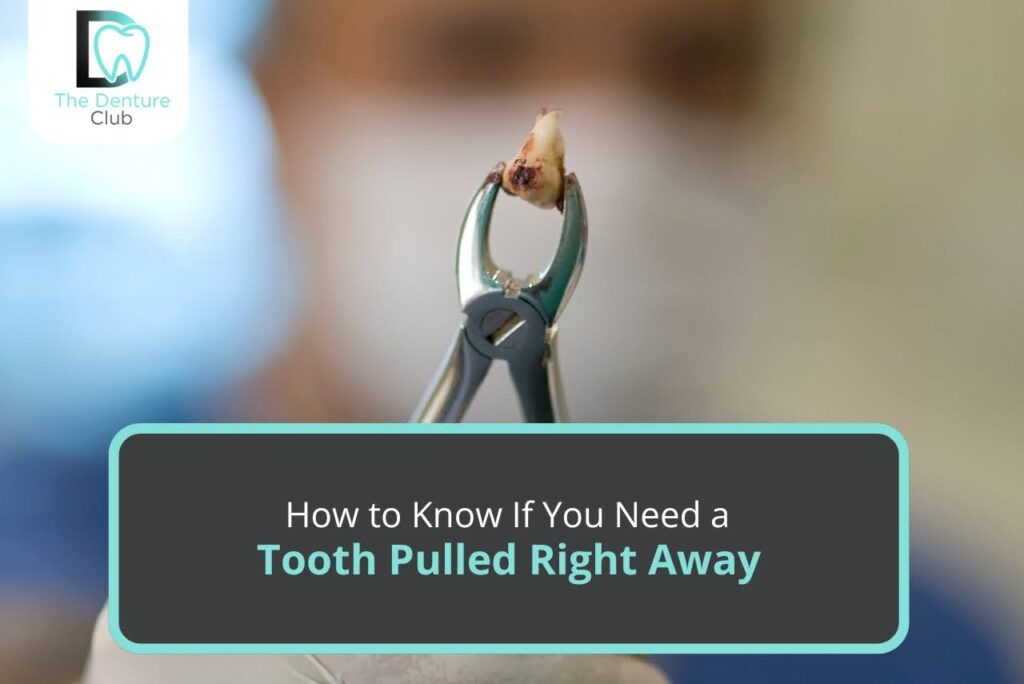
When Tooth Pain Becomes an Emergency
Wondering if your toothache means you need a tooth pulled right away? You’re not alone. At The Denture Company Boise, many patients visit us unsure whether their pain is temporary or a sign of something serious. Severe decay, infection, or trauma can all make tooth extraction the safest and fastest way to protect your oral health.
This guide explains when an emergency extraction is needed, what symptoms to look out for, and how Medicaid dental coverage can help make the process affordable.
What Exactly Is a Tooth Extraction?
A tooth extraction is a dental procedure where a tooth is carefully removed from its socket in the bone. According to the American Dental Association (ADA), extractions are performed when a tooth is too damaged to repair with a filling, crown, or root canal.
In emergencies, such as severe infection or extreme pain, extraction prevents the problem from spreading and helps restore comfort.
There are two main types of extractions:
- Simple extractions remove visible teeth using dental instruments.
- Surgical extractions are performed for impacted or broken teeth that require an incision in the gum.
Why Getting a Tooth Pulled Can Actually Help
While losing a tooth may sound intimidating, there are several benefits when it’s medically necessary:
- Pain relief: Removing an infected or damaged tooth eliminates the source of pain and inflammation.
- Prevents infection spread: Extraction can stop bacteria from moving to other teeth or even the jawbone.
- Improved oral health: It allows the gums and bone to heal properly before future restorations like dentures or implants.
- Restores comfort and function: Once the problematic tooth is removed, chewing, speaking, and smiling become easier again.
According to Mayo Clinic, extraction may also be necessary to prepare the mouth for orthodontic work or dentures when teeth are overcrowded.
A Look Back: How Tooth Extractions Evolved
Tooth extraction has been practiced for centuries as one of the oldest dental treatments. Historically, extractions were performed to relieve pain before antibiotics and modern restorative methods existed.
Today, with advancements in anesthesia and surgical tools, extractions are safer and more comfortable than ever. Organizations like the National Institute of Dental and Craniofacial Research (NIDCR) have contributed decades of research to improve safety, healing outcomes, and infection control for patients.
Possible Risks You Should Know About
Although modern tooth extractions are safe, it’s important to be aware of potential risks so you can take proper precautions. According to the Centers for Disease Control and Prevention (CDC) and AAOMS, common risks include:
- Dry socket: When the protective blood clot at the extraction site becomes dislodged, exposing bone and nerves.
- Infection: Bacteria entering the open wound can cause swelling, redness, and pus.
- Bleeding or bruising: Some mild bleeding is normal, but prolonged bleeding may indicate an issue.
- Nerve irritation: Rarely, nerves near wisdom teeth or the jaw can be affected during surgery.
If you experience severe pain, fever, or persistent swelling, contact your dentist immediately.
Things You Should Avoid After a Tooth Extraction
Good aftercare plays a major role in how fast and comfortably you heal. To avoid complications, the CDC and ADA recommend:
- Avoid smoking, vaping, or drinking through a straw for at least 48 hours, as suction can dislodge the healing clot.
- Skip hard or crunchy foods for a few days to protect the surgical site.
- Don’t rinse or spit forcefully during the first 24 hours.
- Avoid touching the extraction area with your tongue or fingers.
- Follow your dentist’s medication and cleaning instructions exactly.
By following these steps, you lower the risk of infection and ensure proper healing.
How to Take Care of Your Mouth After an Extraction
Healing usually takes one to two weeks, depending on the tooth and your overall health. During this period, gentle care helps prevent dry socket and infection.
Here are some post-extraction maintenance tips recommended by the Mayo Clinic and WebMD:
- Keep the gauze in place for the first hour to control bleeding.
- Apply a cold compress on your cheek for 10-minute intervals to reduce swelling.
- Maintain good oral hygiene, but avoid brushing near the extraction site for 24 hours.
- Eat soft foods like yogurt, mashed potatoes, or soup until chewing feels comfortable.
- Take prescribed pain relievers or approved over-the-counter medication.
- Schedule a follow-up visit to ensure proper healing and discuss tooth replacement options.
At The Denture Company Boise, we guide every patient through each stage of recovery. Medicaid-covered patients can rest assured that most follow-up appointments are included in their care plan.
Clear Warning Signs You Need a Tooth Pulled Right Away
Recognizing when your dental issue requires immediate attention can save you from severe infection or tooth loss. You may need an emergency tooth extraction if you notice any of the following:
- Intense, throbbing pain that doesn’t go away: This often means the nerve is infected or exposed.
- Swelling around your gums, face, or jaw: Swelling can indicate an abscess or spreading infection.
- Fever or foul taste in your mouth: Signs that bacteria are active and your body is fighting infection.
- Loose or severely cracked tooth: Structural damage may make it impossible to save the tooth.
- Pus near the gum line or visible abscess: This requires immediate treatment to prevent systemic infection.
- Wisdom tooth pain and jaw stiffness: Impacted wisdom teeth often need prompt surgical removal.
The ADA recommends that patients with severe infection, swelling, or trauma seek professional dental care immediately. Waiting too long can result in the infection spreading to surrounding tissues or the bloodstream.
Medicaid Dental Coverage for Emergency Tooth Extractions
A major concern for many patients is cost. Fortunately, Medicaid helps cover emergency dental services, including extractions for medically necessary reasons.
According to Medicaid.gov and CMS.gov, coverage typically includes:
- Extractions due to infection, pain, or trauma.
- Surgical removal of impacted or broken teeth.
- Sedation or anesthesia is used when medically necessary.
- Post-extraction follow-up visits for healing assessment.
Coverage for adults varies by state, but Idaho’s Medicaid program includes many emergency and preventive dental services. At The Denture Company Boise, we help verify your Medicaid benefits before treatment, so you know exactly what’s covered.
What Happens After? Options to Replace a Pulled Tooth
Once a tooth is removed, the next step is restoring your smile. Missing teeth can lead to bite changes, shifting of other teeth, and difficulty chewing. Luckily, several replacement options are available:
- Full or partial dentures: Affordable and often Medicaid-friendly, these replace multiple missing teeth and restore your smile.
- Implant-supported dentures: A more stable, long-term option that combines implants with dentures for better comfort.
- Dental implants: The most permanent solution for a single missing tooth, though not always covered by Medicaid.
According to the Cleveland Clinic, implants preserve jawbone structure and function, but dentures remain a reliable and cost-effective solution for many patients.
Our team at The Denture Company Boise customizes each treatment plan, offering both immediate and long-term restoration options based on your needs and budget.
Final Thoughts: Don’t Wait to Protect Your Oral Health
Knowing when you need a tooth pulled right away can prevent serious infection and save your oral health. Pain, swelling, and abscesses are your body’s way of signaling that something’s wrong, and prompt treatment is the safest choice.
At The Denture Company Boise, we provide compassionate, affordable emergency dental care, including tooth extractions and follow-up support for Medicaid patients. From same-day appointments to complete smile restoration, our focus is on your comfort and long-term oral health.
If you’re experiencing severe pain or signs of infection, don’t wait. Contact The Denture Company Boise today to schedule an emergency consultation and find out how Medicaid can help you get the care you need right away.
Frequently Asked Questions
What are the signs I need an emergency tooth extraction?
Severe pain, swelling, fever, and pus are key signs of infection that may require immediate removal.
How soon should I see a dentist for an infected tooth?
You should contact a dentist within 24 hours if your pain is severe or swelling is spreading.
Does Medicaid cover emergency dental extractions?
Yes, Medicaid generally covers medically necessary extractions, including infection-related or impacted teeth.
How long does recovery take after a tooth extraction?
Most patients heal within one to two weeks, depending on the complexity of the extraction and their overall health.
What happens if I delay pulling a severely infected tooth?
Delaying treatment can allow infection to spread to your jaw, sinuses, or bloodstream, which can be dangerous.
Citations:
- Medicaid.gov – Medicaid Dental Coverage Overview
- ADA.org – Tooth Extraction Information
- AAOMS.org – Surgical Extraction and Anesthesia Safety
- MayoClinic.org – Tooth Extraction Procedure Guide
- CDC.gov – Post-Extraction Care and Infection Prevention
- ClevelandClinic.org – Dental Implants and Tooth Replacement Options
- WebMD.com – Tooth Pain and Recovery Tips