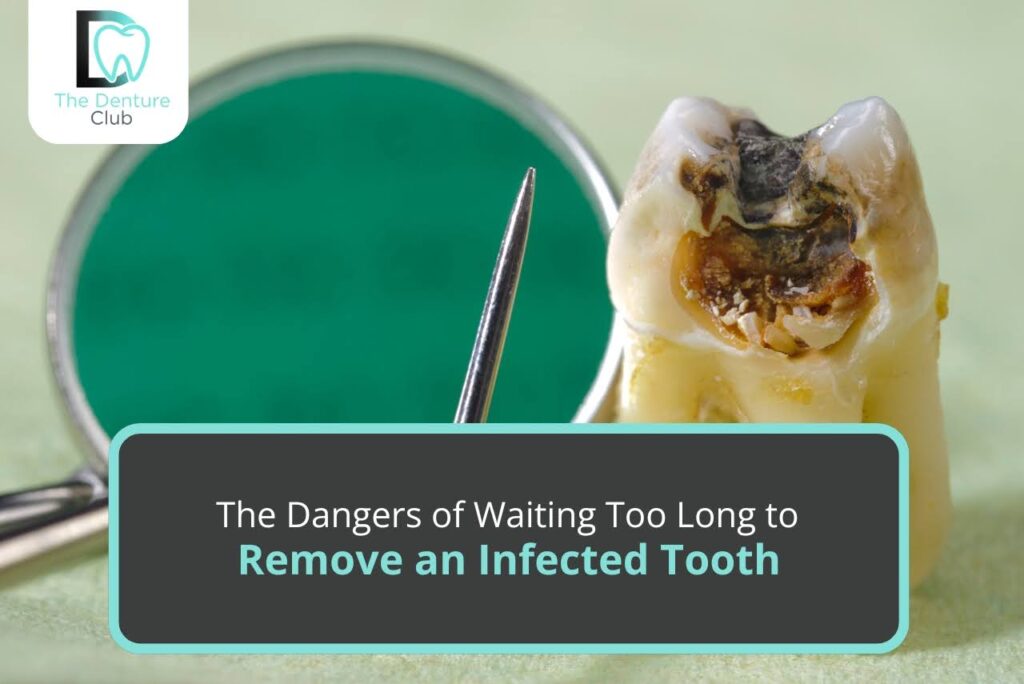
Why Should You Never Wait to Remove an Infected Tooth?
At The Denture Company Boise, we often see patients who have endured tooth pain for weeks, hoping it will go away. Unfortunately, an untreated infection can spread quickly, damaging nearby teeth, gums, and even vital organs.
According to the Centers for Disease Control and Prevention (CDC), oral infections that are left untreated can progress into severe abscesses or systemic infections that may require hospitalization. Simply put, waiting too long to remove an infected tooth doesn’t just risk your smile; it can risk your overall health.
What Is an Infected Tooth?
An infected tooth occurs when bacteria enter the inner pulp (the nerve and blood vessel center of the tooth) through deep decay, cracks, or trauma. Once bacteria invade the pulp, the infection can spread to the surrounding bone and gum tissue.
The American Dental Association (ADA) explains that when infection reaches this stage, antibiotics alone are rarely enough to resolve the problem. Extraction or root canal treatment becomes necessary to remove the infection’s source and prevent further damage.
Benefits of Removing an Infected Tooth Early
Timely removal of an infected tooth provides immediate and long-term benefits:
- Pain Relief: Extraction eliminates the source of the infection, offering near-instant relief from throbbing, nerve-related pain.
- Stops Infection Spread: According to the National Institutes of Health (NIH), untreated dental infections can extend to the jawbone, sinuses, and bloodstream. Removing the infected tooth prevents this spread.
- Protects Nearby Teeth: Infections can weaken surrounding bone and gum tissue, putting healthy teeth at risk. Early extraction preserves the structure of your smile.
- Improves Healing: The sooner the infection is removed, the quicker your body can heal without ongoing inflammation.
- Prevents Costly Complications: Early treatment can prevent the need for surgical procedures, hospitalization, or advanced antibiotic therapy later on.
How Dentists Have Treated Infected Teeth Over Time
Historically, tooth extraction was one of the earliest known dental procedures. Before antibiotics were discovered, removing an infected tooth was the only way to stop a spreading infection.
Modern dentistry has evolved to include root canals, precision imaging, and local anesthesia, making extractions far safer and less painful. Today, clinics combine advanced tools and patient-focused care to make the process comfortable and efficient, often performed the same day in emergencies.
Potential Risks of Waiting Too Long to Remove an Infected Tooth
Delaying treatment for an infected tooth can cause more harm than most people realize. Here’s what can happen if you wait too long:
1. The Infection Spreads to Other Areas
According to the CDC and Mayo Clinic, oral bacteria from an untreated tooth infection can spread to your jawbone, sinuses, or even vital organs. In rare but serious cases, it can enter the bloodstream and cause sepsis, a life-threatening condition.
2. Bone and Tissue Damage
The National Institute of Dental and Craniofacial Research (NIDCR) reports that chronic infection can cause bone loss in the jaw and damage to gum tissue. Once bone is lost, replacing teeth with dentures or implants becomes more complicated.
3. Increased Pain and Swelling
What starts as mild discomfort can quickly escalate to severe, pulsating pain that radiates to your ear or jaw. Swelling may limit your ability to open your mouth or swallow properly.
4. Facial or Sinus Infections
Infections from upper teeth can spread into the sinus cavities, causing pressure, congestion, and chronic sinusitis. Lower tooth infections may extend into the neck or jaw.
5. Systemic Health Problems
According to NIH oral health studies, chronic oral infections have been linked to heart disease, diabetes complications, and respiratory infections. Ignoring dental infections affects your entire body, not just your mouth.
6. Tooth Loss and Costly Treatment
When infection destroys tooth structure or bone support, extraction becomes unavoidable. Waiting can turn a simple extraction into a surgical procedure, increasing both discomfort and cost.
Things to Avoid to Prevent Harm
To reduce the risk of infection worsening or spreading, follow these precautions:
- Don’t self-medicate or rely only on antibiotics. The ADA warns that antibiotics can temporarily reduce swelling but won’t remove the infected tissue.
- Avoid applying heat to your face. It can accelerate bacterial growth in abscessed areas.
- Don’t ignore persistent pain or swelling. If discomfort lasts longer than two days or worsens, seek emergency dental care.
- Avoid chewing on the affected side. Pressure can increase pain and allow bacteria to penetrate deeper into the tooth.
- Never delay treatment because of fear or cost. The Health Resources and Services Administration (HRSA) offers information on Medicaid-supported dental programs, and The Denture Company Boise accepts Medicaid for medically necessary extractions.
How to Protect Your Oral Health After Extraction
Once the infected tooth is removed, healing and prevention become the priority. Here’s how to recover safely and prevent future infections:
- Follow Post-Extraction Instructions Carefully: The ADA recommends avoiding smoking, spitting, or using straws for 48 hours to prevent dry socket and promote clot formation.
- Maintain Good Oral Hygiene: Brush gently around the extraction site after 24 hours, and rinse with warm salt water twice daily to keep the area clean.
- Eat Soft Foods: Choose soft, nutrient-rich options like mashed potatoes, yogurt, or smoothies until you feel comfortable chewing again.
- Use Cold Compresses: Apply a cold pack for 10–15 minutes at a time to reduce swelling during the first day.
- Keep Follow-Up Appointments: Your dentist will check healing progress and recommend tooth replacement options like dentures, partials, or implants.
For many patients in Boise, immediate dentures from The Denture Company are an excellent choice to restore function and confidence right after extraction.
Alternative Options to Extraction
In some cases, extraction isn’t the only answer, especially when the infection is caught early. Here are alternative treatments:
- Root Canal Therapy: If the tooth’s structure is still strong, a root canal may remove infected pulp and save the natural tooth.
- Antibiotic Therapy: Used as a temporary measure to reduce swelling before definitive treatment.
- Surgical Drainage: In certain abscess cases, dentists may drain pus to relieve pressure before extraction or restoration.
However, if the infection has spread to the root or bone, extraction remains the safest solution. The AAOMS (American Association of Oral and Maxillofacial Surgeons) emphasizes that timely removal prevents the spread of infection and long-term damage.
Medicaid and Insurance Coverage in Idaho
Many Idaho patients delay dental treatment because they’re unsure about cost, but help is available.
- Medicaid Coverage: According to Medicaid.gov and CMS.gov, Idaho Medicaid often covers medically necessary extractions, especially when infection or pain is present.
- Private Insurance: Most dental insurance plans cover 50–80% of tooth extraction costs.
- Affordable Care Options: The HRSA helps patients locate community health centers that provide reduced-fee dental services for those without insurance.
At The Denture Company Boise, our team assists patients in understanding coverage, submitting claims, and arranging affordable payment plans when needed.
When to Seek Immediate Dental Care
You should contact a dentist or oral surgeon right away if you experience:
- Persistent or throbbing tooth pain
- Facial swelling or jaw stiffness
- Fever or chills
- Pus or foul taste in your mouth
- Difficulty breathing or swallowing
According to the Mayo Clinic, these signs mean the infection could be spreading and require urgent attention. Same-day or emergency extraction may be needed to prevent complications.
How to Avoid Future Infections
Preventing dental infections starts with consistent care and smart daily habits. By maintaining good oral hygiene and visiting your dentist regularly, you can protect your teeth and avoid painful emergencies.
- Brush and floss daily to remove plaque and bacteria.
- Schedule dental checkups twice a year for professional cleanings.
- Treat small cavities or gum infections before they worsen.
- Replace missing teeth with dentures or bridges to prevent shifting and uneven wear.
- Follow a balanced diet and limit sugary foods to support gum and bone health.
The CDC notes that preventive care significantly reduces the risk of infections and emergency extractions.
Conclusion: Don’t Wait, Protect Your Health Today
An infected tooth will not heal on its own, and waiting too long can turn a minor dental issue into a medical emergency. At The Denture Company Boise, we provide compassionate, affordable, and same-day extractions to stop pain and restore your health.
If you’re experiencing tooth pain, swelling, or signs of infection, call us in Boise today to schedule a free 30-minute consultation. Early care saves you from severe pain, higher costs, and serious complications later on.
Frequently Asked Questions (FAQs)
- How do I know if my tooth infection needs to be removed?
If you have constant pain, swelling, or pus near the gums, the infection may have spread to the root or bone, and extraction is likely needed to stop it.
- Can antibiotics cure an infected tooth without extraction?
No, antibiotics only reduce swelling temporarily. They can’t remove the infected pulp, so extraction or a root canal is usually required.
- How long does it take to recover after an infected tooth extraction?
Most people heal within 3 to 7 days. Following your dentist’s aftercare advice helps prevent complications and promotes faster recovery.
- Can an untreated tooth infection affect my overall health?
Yes, untreated infections can spread to the jaw, sinuses, or bloodstream, potentially leading to serious conditions like sepsis or heart issues.
- Does Medicaid cover infected tooth extractions in Boise, Idaho?
Yes, Idaho Medicaid often covers medically necessary extractions. The Denture Company Boise also offers help with insurance and affordable payment plans.
References
- Centers for Disease Control and Prevention (CDC) – Oral Health
- National Institutes of Health (NIH) – Oral Health Studies
- American Dental Association (ADA) – MouthHealthy
- National Institute of Dental and Craniofacial Research (NIDCR)
- American Association of Oral and Maxillofacial Surgeons (AAOMS)
- Mayo Clinic – Tooth Infection and Extraction
- Health Resources and Services Administration (HRSA) – Dental Programs
- Medicaid.gov – Dental Coverage
- CMS.gov – Medicaid Dental Services