
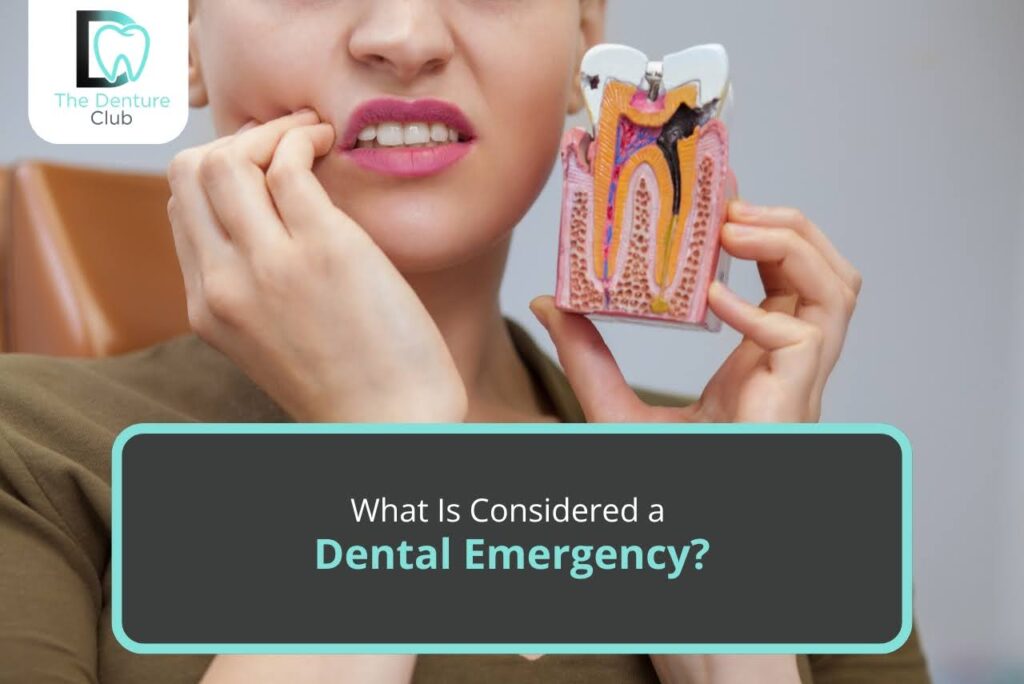
Dental pain doesn’t always wait for office hours. Whether it’s a sudden toothache, swelling, or trauma, knowing what qualifies as a true dental emergency can save your teeth and your health. At The Denture Company Boise, we regularly treat patients facing unexpected oral pain, broken teeth, or infections that simply can’t wait. Recognizing the signs early ensures you get timely treatment, avoid complications, and prevent expensive ER visits.
In this complete guide, we’ll walk through what’s considered a dental emergency, common causes, what to do in the moment, and how to protect your smile until you can reach your dentist.
What Exactly Is a Dental Emergency?
A dental emergency is any oral health issue that requires immediate care to stop bleeding, relieve severe pain, or prevent infection or tooth loss.
According to the American Dental Association (ADA), emergencies typically involve symptoms like persistent bleeding, swelling, intense pain, or trauma that affects your ability to chew, speak, or breathe comfortably.
Common examples include:
- Severe toothaches or abscesses
- Knocked-out or fractured teeth
- Uncontrolled bleeding after injury or extraction
- Swelling that spreads to the face or jaw
- Signs of infection (fever, pus, or foul taste)
If you’re ever unsure, remember this simple rule: if it hurts, bleeds, or swells, it’s an emergency until proven otherwise.
Why It’s Important to Act Fast
Delaying dental treatment can turn a small issue into a major health concern. Infections from untreated abscesses or gum injuries can spread quickly into the jawbone, sinuses, or even bloodstream, a condition called sepsis, which can be life-threatening.
The Centers for Disease Control and Prevention (CDC) notes that over 2 million ER visits each year involve dental pain or infection, many of which could have been prevented with prompt dental care.
Fast action doesn’t just relieve pain; it often saves teeth that might otherwise be lost.
Common Dental Emergencies and What to Do
Let’s look at the most frequent dental emergencies our Boise patients face and how to handle each one safely before reaching the dentist.
1. Severe Toothache or Abscess
A throbbing toothache that won’t go away usually signals infection. You might notice swelling, fever, or a bad taste, all signs of an abscess forming under the gumline.
What to do: Rinse with warm salt water, avoid pressing on the area, and call your dentist immediately. Never attempt to drain an abscess yourself; it requires professional treatment.
2. Broken or Cracked Tooth
Cracked or fractured teeth can expose the inner nerves, causing sharp pain and sensitivity.
What to do: Rinse gently with warm water, apply a cold compress to reduce swelling, and keep any broken pieces to show your dentist. Avoid chewing on that side.
3. Knocked-Out Tooth
A permanent tooth that’s completely dislodged is one of the most time-sensitive emergencies.
What to do: Handle the tooth by the crown (not the root), rinse lightly with water, and place it back in the socket if possible. If not, store it in milk or saline solution and get to the dentist within 30–60 minutes for the best chance of saving it.
4. Uncontrolled Bleeding After Extraction or Injury
If bleeding doesn’t stop after 30 minutes of pressure, it may require urgent intervention.
What to do: Bite down on sterile gauze or a clean cloth. Avoid rinsing vigorously or using straws. Seek immediate dental or emergency care.
5. Swelling in the Jaw or Face
Facial swelling is a serious warning sign of infection that could spread beyond the tooth.
What to do: Use a cold compress to ease swelling and see a dentist as soon as possible. If breathing or swallowing becomes difficult, go to the ER immediately.
6. Lost Filling or Crown
While not always an emergency, a lost filling or crown can leave sensitive areas exposed and cause severe pain.
What to do: If possible, use dental cement (available at most pharmacies) to protect the area until your dentist can reattach or replace it.
When It’s Not an Emergency, But Still Important
Some dental issues may not require the same-day treatment but still need prompt care. These include:
- Mild tooth sensitivity
- Small chips or hairline cracks without pain
- Dull, occasional toothaches
- Lost fillings or crowns without exposed nerves
These conditions can usually wait for a next-day appointment, but don’t ignore them for too long, as they can worsen quickly.
What Happens If You Ignore a Dental Emergency?
Ignoring symptoms doesn’t make them disappear; it often makes them worse. Untreated infections can spread into surrounding tissues, causing:
- Severe jaw pain or bone loss
- Facial cellulitis (painful swelling and redness)
- Systemic infection (sepsis)
- Permanent tooth loss
The National Institutes of Health (NIH) reports that dental infections, when neglected, can become systemic and require hospitalization. Prompt treatment is not just about comfort; it’s about protecting your health.
Managing Pain Until You See the Dentist
If you’re waiting for an emergency dental appointment, here are a few ways to manage discomfort safely:
- Take over-the-counter pain relievers like ibuprofen (as directed).
- Apply a cold compress to the outside of your cheek for 10–15 minutes.
- Rinse with warm salt water to reduce bacteria and soothe the gums.
- Avoid hot, cold, or sugary foods that can aggravate pain.
- Keep your head elevated while sleeping to minimize swelling.
The Cleveland Clinic and Mayo Clinic both emphasize avoiding aspirin directly on the gums, as it can burn the tissue and worsen irritation.
Preventing Future Dental Emergencies
While not all emergencies are avoidable, good preventive habits significantly reduce your risk. Here’s how to keep your smile strong and safe:
- Schedule regular dental checkups (every 6 months).
- Wear mouthguards during sports.
- Avoid using your teeth to open bottles or packages.
- Treat small cavities or cracks early before they worsen.
- Maintain a balanced diet rich in calcium and vitamins for stronger teeth.
According to the National Institute of Dental and Craniofacial Research (NIDCR), early detection and routine cleanings can prevent most dental emergencies linked to decay or infection.
Conclusion
Dental emergencies don’t wait, and neither should you. Severe pain, swelling, or infection is your body’s way of saying something’s wrong. Acting quickly can save your teeth, your comfort, and even your health.
At The Denture Company Boise, we provide emergency dental care fast, comfortable, and compassionate. From same-day extractions to infection control and pain relief, our expert team is here to help you regain your smile with confidence.
Don’t let pain take over your day. Call us now or schedule an emergency appointment at The Denture Company Boise and get the relief you deserve today.
Frequently Asked Questions (FAQs)
1. What qualifies as a dental emergency?
Severe pain, swelling, bleeding, or trauma that affects eating, breathing, or sleeping comfort are all true emergencies.
2. Can I go to the ER for dental pain?
You can, but ERs typically only provide pain relief or antibiotics. You’ll still need a dentist to treat the underlying issue.
3. How fast should I see a dentist for an abscess or infection?
Infections can spread immediately. Same-day or next-day treatment is strongly advised.
4. What helps the pain before I get to the dentist?
Use over-the-counter pain relievers, cold compresses, and saltwater rinses, but avoid aspirin on the gums.
5. Does Medicaid cover emergency dental care in Boise?
Yes, in most cases. Idaho Medicaid may cover urgent extractions or infection treatments when medically necessary.
References
- ADA.org – Dental Emergencies and Care Guidelines
- AAOMS.org – Emergency Oral Surgery & Tooth Extraction
- CDC.gov – Oral Health & Infection Prevention
- MayoClinic.org – Dental Infection and Tooth Abscess
- ClevelandClinic.org – Tooth Extraction and Pain Relief
- NIH.gov – Oral Health Research on Dental Infections
- Medicaid.gov – Dental Coverage in Emergency Cases